
To Live: An Epic of Resilience in Flux
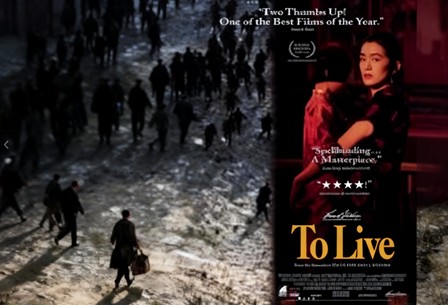
Set against the sweeping backdrop of mid-20th century China, To Live stands as a monumental work in Chinese cinema, blending intimate human drama with profound historical transformation. Spanning from the 1940s to the 1970s, the film reflects the enduring Chinese belief in life’s perseverance—harmonizing individual fate with national upheaval while drawing narrative power from both folk tradition and literary realism. Its story embodies the essential tension between survival and dignity, memory and moving forward.
Artistic strength emanates from Fugui and Jiazhen’s evolving relationship, where personal bonds become the vessel carrying them through decades of turmoil. The film’s visual language—from the vibrant shadow puppetry scenes to the stark, muted landscapes—connects folk symbolism with historical reality. Recurring motifs like the shadow puppets, family meals, and the repeated phrase “we have to live well” frame perspectives on cultural continuity amid radical change. The narrative follows the rhythm of Chinese oral storytelling, with each era revealing how ordinary people preserve humanity when buffeted by political storms.
More than a film, To Live represents a deep exploration of the Chinese spirit of resilience. It remains a testament to the courage of common people and the power of cultural endurance, inviting audiences to witness a family saga where every loss and small victory whispers how Chinese people endured the 20th century—and why they still choose, again and again, to live.