Crouching Tiger, Hidden Dragon: A Martial Arts Symphony of Restrained Passion
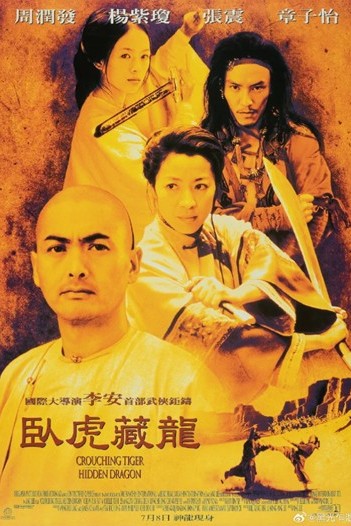
Set against the majestic backdrop of Qing Dynasty China, Crouching Tiger, Hidden Dragon stands as a cinematic landmark in global storytelling, blending wuxia (martial arts chivalry) spectacle with profound philosophical inquiry. Released at the dawn of the 21st century (2000), the film reflects the essence of Chinese aesthetic restraint—harmonizing explosive action with emotional repression while incorporating elements from classical poetry and Confucian ethics. Its narrative embodies the eternal tension between duty and desire, discipline and freedom.
Artistic marvels include the mesmerizing bamboo forest duel where combat transforms into aerial calligraphy, and the cave fight where swirling shadows visualize inner conflict. The film’s visual language—from the misty Jiangnan landscapes to the elegant silk-robed figures—elevates martial arts to moving art. Recurring motifs—the Green Destiny sword, jade hairpieces, and desert flashbacks—frame perspectives on tradition and rebellion. The structure interweaves multiple quests: Li Mubai’s spiritual redemption, Yu Shu Lien’s silenced love, and Jen’s rebellious awakening, each echoing the film’s central theme—that the sharpest swords and fiercest battles lie within the human heart.
More than a wuxia masterpiece, the film represents China’s cultural dialogue with the world. It remains a testament to cinematic poetry and cross-cultural resonance, inviting audiences to witness a world where every flight of qinggong (轻功, soaring flight of martial arts) whispers centuries of spiritual yearning, and every clash of steel sings of elegance, sacrifice, and the hidden dragons in every soul.