Ne Zha: A Heroic Myth of Defying Destiny
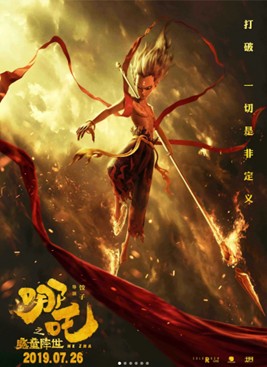
Set against the mythological landscape of ancient China, Ne Zha:Birth of the Demon Child stands as a monumental breakthrough in Chinese animated cinema, blending cutting-edge visual artistry with profound philosophical inquiry. Released in 2019 amid a new era of Chinese cultural creativity, the film reimagines a 16th-century Ming Dynasty legend—harmonizing traditional folk symbolism with contemporary existential themes while incorporating elements from Taoist cosmology and modern narrative techniques. Its narrative embodies the eternal tension between destiny and self-determination, prejudice and redemption.
Artistic brilliance shines through the metamorphosis of the demon-child Ne Zha, whose fiery defiance becomes a canvas for exploring identity formation. The film’s visual language—from the molten crimson Birth Scroll to the crystalline Lotus Rebirth—transforms mythological motifs into psychological allegory. Recurring symbols—the heavenly talisman, the dual pearl, and the swirling yin-yang sky—frame perspectives on how labels shape reality. The structure interweaves parallel journeys: Ne Zha’s struggle against celestial prejudice and Ao Bing’s burden of dragon clan expectation, culminating in a cosmic rewrite of the “demon versus deity” dichotomy.
More than an animated spectacle, Ne Zha: Birth of the Demon Child represents China’s confident re-engagement with its mythic heritage. It remains a testament to cinematic innovation and cultural revitalization, inviting global audiences to witness a myth reborn where every flame of rebellion illuminates ancient wisdom and every storm of defiance sings of the timeless Chinese spirit—unyielding, transformative, and inherently self-defined.