The Changing Family Ethics in Chinese Cinema
Chinese films offer a fascinating window into the evolution of family values, reflecting broader social changes. Traditionally, Chinese movies often portrayed the family as a hierarchical unit, where elders held authority and filial piety (respect for parents) was paramount—similar to how Western classics like Little Women depicted strong family bonds, but with even stricter generational roles.
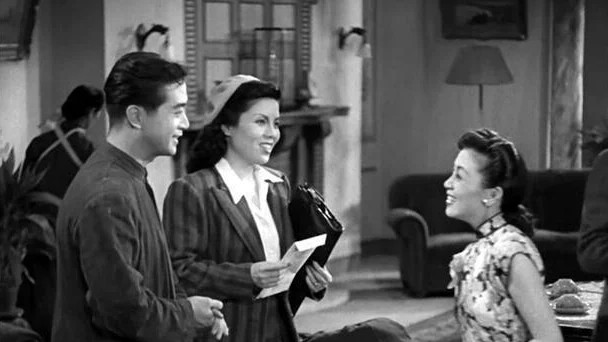
In older films such as The Spring River Flows East (1947), families endured hardships together, emphasizing sacrifice and unity. However, as China modernized, cinema began showcasing more diverse family dynamics. Movies like Crouching Tiger, Hidden Dragon (2000) subtly explored personal freedom versus familial duty, while comedies like Lost in Thailand (2012) humorously depicted modern parents and children navigating generational gaps.
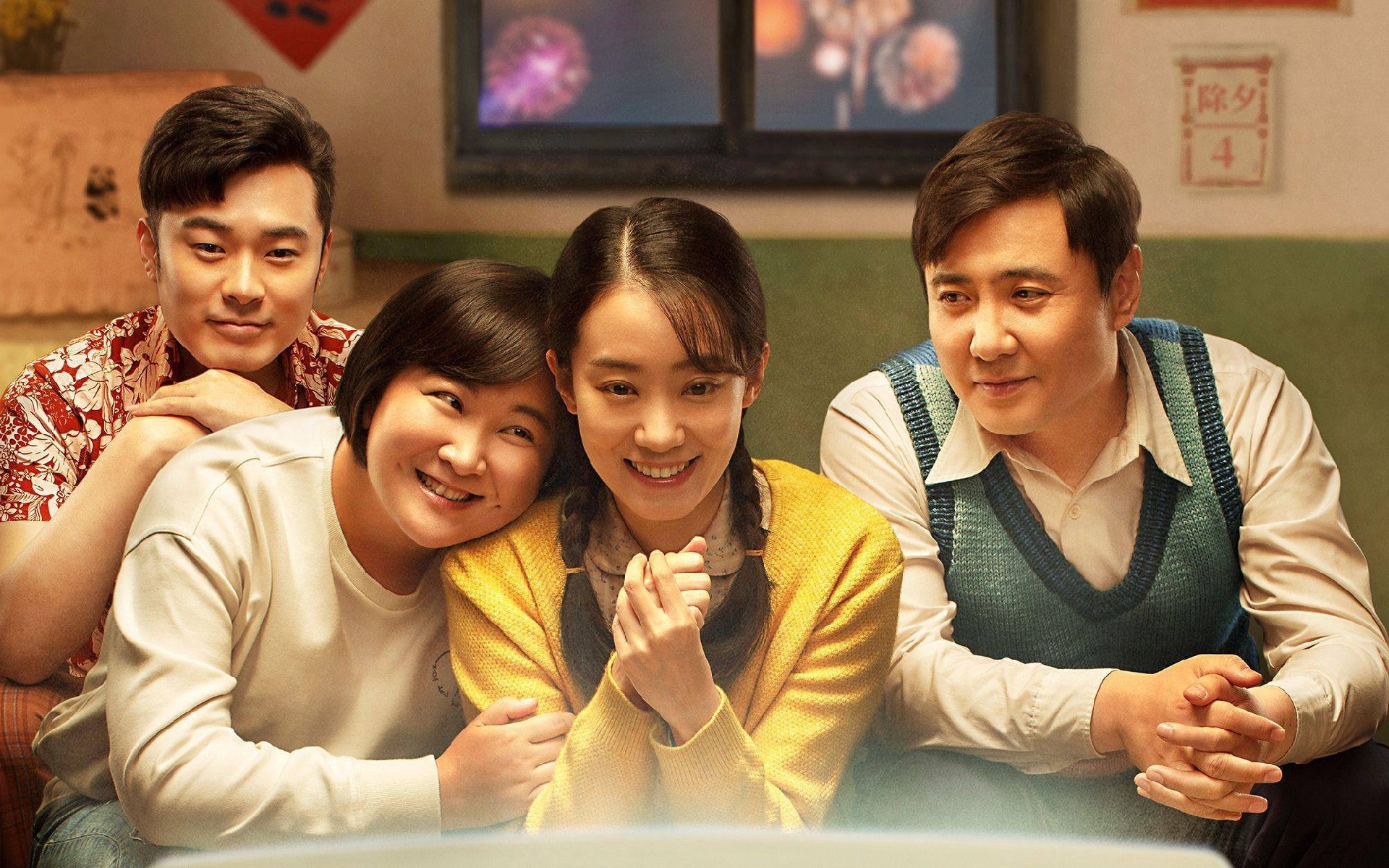
Today, films such as Better Days (2019) or Hi, Mom (2021) tackle themes like parental expectations, mental health, and emotional connection—mirroring global trends in storytelling where families are portrayed as complex yet loving. Just as Hollywood has moved from idealized nuclear families (Leave It to Beaver) to more nuanced portrayals (Little Miss Sunshine), Chinese cinema also reflects shifting societal norms.
These films not only entertain but also help international audiences understand how Chinese families balance tradition with modernity—a universal theme with uniquely local flavors.