The Power of Documentaries: Twenty-Two and Historical Memory
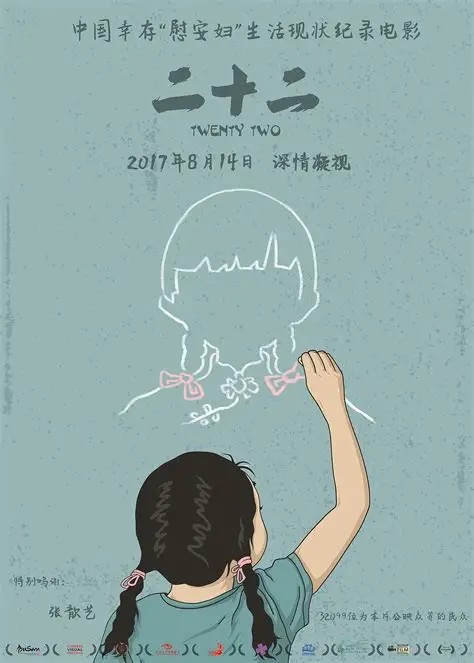
Documentaries are powerful tools for preserving history, especially when they shed light on lesser-known stories. One such film is Twenty-Two (2015), a Chinese documentary that quietly yet profoundly honors the lives of the last surviving "comfort women" in China—women who were forcibly taken and abused by Japanese soldiers during World War II. By the time the film was made, only 22 of these women were still alive, hence the title.
Unlike dramatic war films, Twenty-Two avoids sensationalism. Instead, it focuses on the everyday lives of these elderly women, showing their resilience amid pain. For example, one woman tends to her garden, another jokes with neighbors, yet their scars remain. This approach mirrors how documentaries like Won’t You Be My Neighbor? (2018) in the West humanize complex topics through personal stories.
The film’s quiet strength lies in its restraint. It doesn’t preach but lets the women’s presence speak for itself. Today, only one of the 22 is known to be alive, making the documentary not just a historical record but a race against time.
For those new to Chinese history, Twenty-Two offers a window into a painful chapter while reminding us that remembering is an act of justice. Like Schindler’s List (1993), it proves that even small stories can carry immense weight. Documentaries like this ensure that forgotten voices are never truly lost.