Folk Dance: the Art of Everyday Life
Chinese folk dance isn’t performed on stages - it erupts in village squares, festivals, and family gatherings. These dances, passed down orally for centuries, encode history, labor, and communal joy.
Origins & Diversity
Yangko (秧歌): Northern China’s lively harvest dance, with handkerchiefs and stomping.
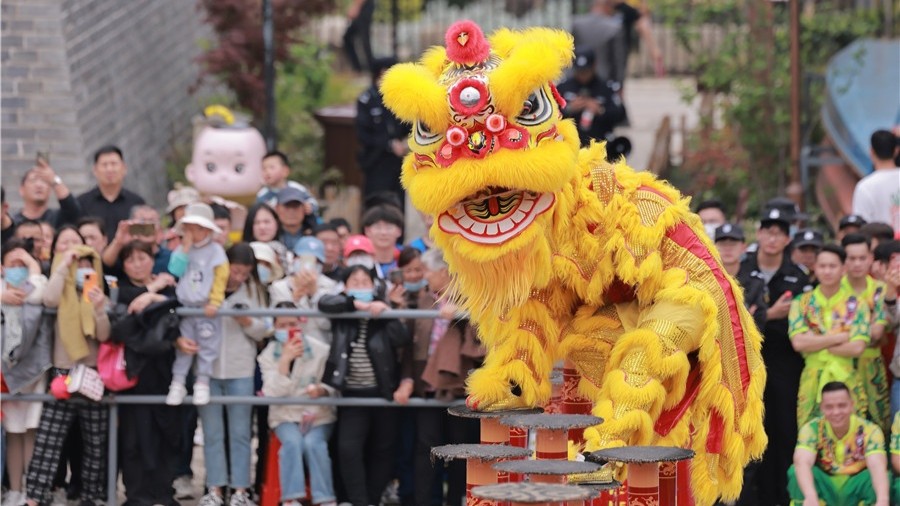
Lion Dance (舞狮): A blend of martial arts and theater to ward off evil.
Dragon Lantern Dance (舞龙灯): A Lunar New Year spectacle of coordinated undulations.
Social Functions
Storytelling: The Yi people’s Tiaocai dance reenacts hunting scenes.
Courtship: Miao minority’s Lusheng dances include flirtatious reed-pipe melodies.
Unity: Tibetan Guozhuang circles strengthen community bonds.
Global Reach:
TikTok’s #FolkDanceChallenge has 1.2 billion views.
London’s Chinatown lion dancers train with Royal Ballet coaches.
Disney’s Mulan incorporated ribbon dance techniques.
Living Heritage:
Despite urbanization, rural schools teach folk dance to preserve identity. As a saying goes: "Our ancestors’ joy lives in these steps."