Etiquette and Aesthetics: Chinese Court Dance
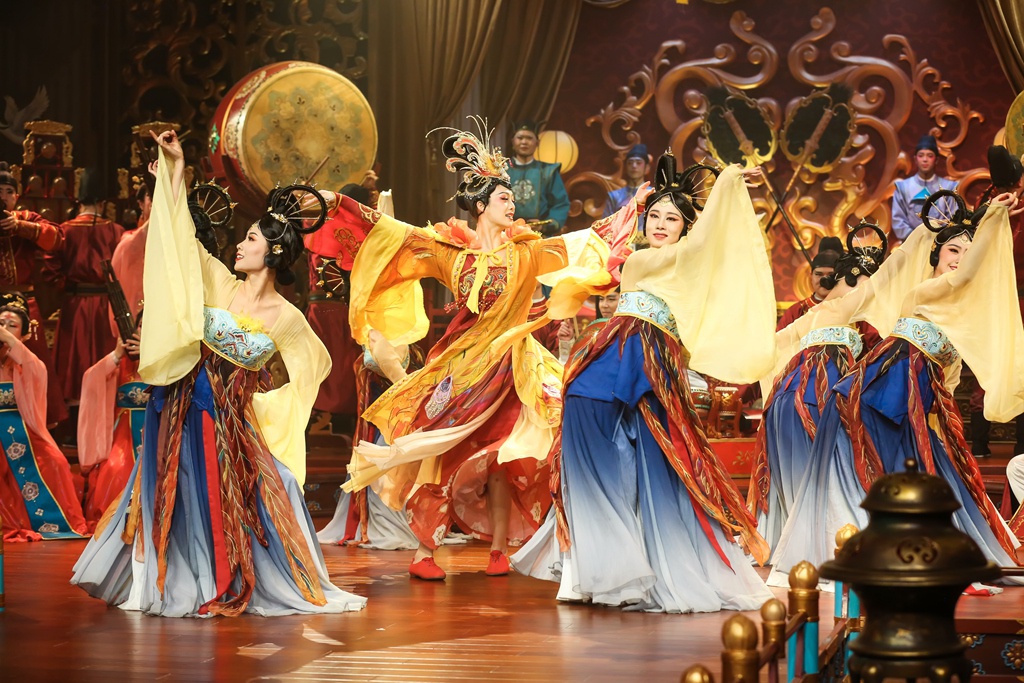
In the global panorama of performing arts, Chinese court dance stands as a resplendent fusion of etiquette, aesthetics, and cultural heritage. Just as the French court ballet during the Renaissance era served as a symbol of aristocratic refinement and social hierarchy, Chinese court dance has long been a reflection of imperial power, moral values, and artistic sophistication.
The Historical Evolution of Chinese Court Dance
With a history spanning thousands of years, Chinese court dance traces its origins back to ancient ritual ceremonies. During the Shang and Zhou dynasties, court dances were integral to religious sacrifices and imperial celebrations, embodying reverence for ancestors and deities. As dynasties evolved, so did court dance. The Tang Dynasty, often regarded as a golden age, witnessed a flourishing of court dance influenced by diverse cultures along the Silk Road, much like how the Ottoman Empire’s cultural exchanges shaped the arts in medieval Europe. This period saw the emergence of elaborate choreographies and vibrant costumes, elevating court dance to a new level of artistic expression.
Forms of Chinese Court Dance
Chinese court dance encompasses a rich variety of forms, each with its distinct characteristics. The Yayue dance, associated with solemn ceremonies, features slow, measured movements and precise formations, echoing the disciplined grace of classical Greek choruses. In contrast, the Wufeng dance, performed during festive occasions, is more dynamic, with flowing gestures and rhythmic steps that resemble the expressive movements in flamenco, though with a unique Chinese aesthetic. Costumes play a crucial role, adorned with symbolic patterns and crafted from luxurious fabrics, enhancing the visual spectacle of the performances.
Cultural Connotations of Chinese Court Dance
Beneath its aesthetic allure, Chinese court dance is steeped in profound cultural meanings. Every movement, gesture, and musical note is designed to convey Confucian values such as harmony, respect, and propriety. The intricate choreography represents the cosmic order and the hierarchical structure of imperial society. For example, the positioning of dancers and the direction of their movements symbolize the emperor’s centrality and the subservience of others. Moreover, court dance served as a diplomatic tool, showcasing China’s cultural superiority to foreign envoys, paralleling how the court dances of Versailles projected French power and influence across Europe.