Chinese Dance and Music: Inseparable Bonds and Artistic Expressions
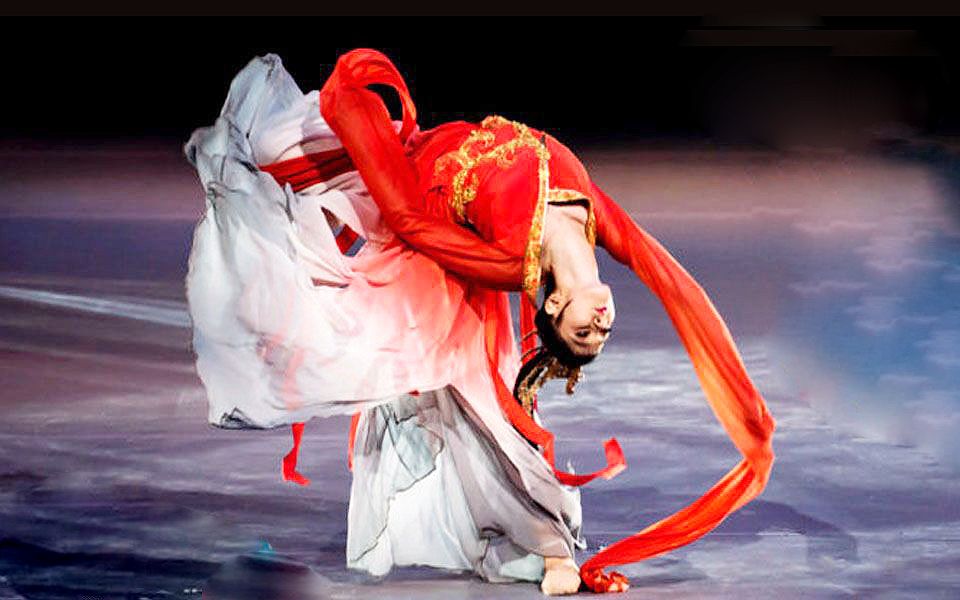
Chinese dance and music share an indivisible relationship—much like ballet and classical symphonies, they co-create emotional resonance and narrative depth, forming a unified artistic language.
Inherent Connections: Rhythm and Emotion
Rhythm as the Core Link: Music’s beats, tempos, and meters guide dance movements. For example, the slow, melodic erhu in classical dance dictates graceful water sleeve waves, while lively gongs and drums in folk dances (e.g., Yangge) drive brisk steps. This sync mirrors how jazz rhythms shape improvisational dance.
Emotion as a Shared Thread: Music’s melody conveys mood, and dance visualizes it. A mournful pipa tune accompanies slow, undulating movements in tragic stories, while cheerful suona music pairs with jumping, spinning steps in festive dances—each enhancing the other’s emotional impact.
Artistic Expressions of the Partnership
Traditional Forms: In Peking Opera, percussion accents every gesture, and vocal arias align with dance postures, merging storytelling. Mongolian horse-head fiddle music’s galloping rhythm matches the dance’s simulated horse-riding movements, vividly depicting grassland life.
Modern Fusions: Contemporary works blend electronic music with classical dance—synthesized beats highlight sharp, dynamic moves, while traditional instrument interludes soften into fluid poses. C-pop collaborations (e.g., dance performances for Jay Chou’s opera-hip-hop tracks) fuse rhythmic rap with synchronized group dances, appealing to modern audiences.
This symbiosis makes Chinese dance and music more than separate arts—their harmony turns performances into immersive, emotionally charged experiences.