Chinese Dance’s Global Spread and Influence
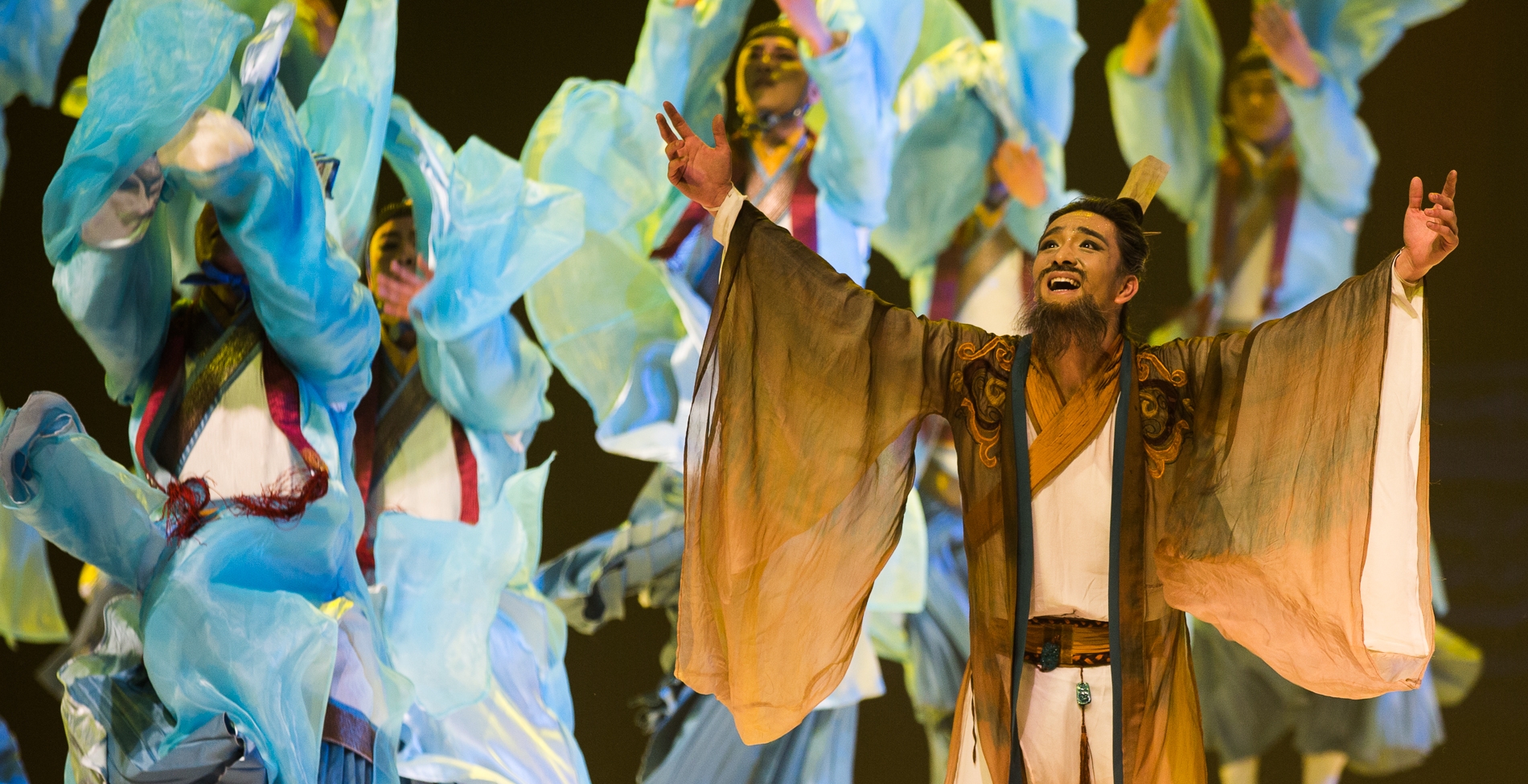
Chinese dance has gained international acclaim by blending traditional essence with global expression, much like ballet or contemporary dance’s cross-cultural journey. From classical forms to modern fusions, it serves as a vivid cultural bridge.
Paths of Global Dissemination
Traditional Classics as Ambassadors: Classical Chinese dance, with its graceful water sleeves and martial arts-inspired moves, takes center stage in world tours. Companies like the China National Opera and Dance Drama Theatre perform Confucius globally, while ethnic dances.
Modern Innovations and Collaborations: Contemporary Chinese dance fuses traditional elements with Western styles—choreographers blend Yangge steps with modern dance’s fluidity. Collaborations with Western troupes (e.g., China’s dancers performing with the Royal Ballet) and appearances in films (Mulan, Crouching Tiger, Hidden Dragon) boost visibility.
International Influence
Artistic Inspiration: Western choreographers adopt Chinese motifs—water sleeve techniques appear in Broadway musicals, and pentatonic rhythms shape dance soundtracks. Dance schools worldwide add Chinese dance courses, teaching both technique and cultural context.
Cultural Soft Power: Global tours, Chinese dance competitions (e.g., the Beijing International Dance Festival), and social media viral clips (e.g., TikTok videos of classical dance moves) turn it into a cultural icon, fostering cross-cultural appreciation.