Yangge Dance: The Joyful Rhythm of China’s Countryside
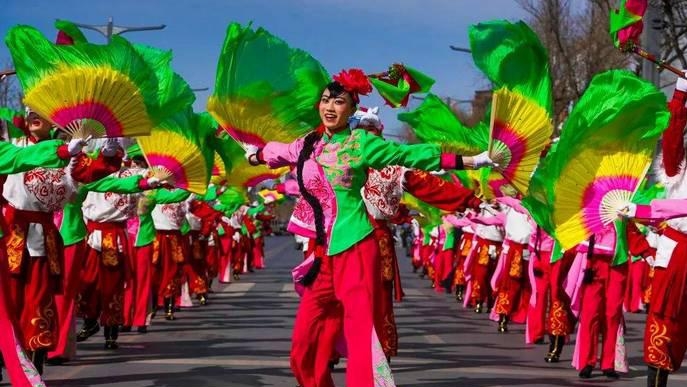
Yangge is one of China’s most lively and beloved folk dances. Originating in rural northern China, it began as a festive performance connected to agricultural life, especially celebrations of planting, harvest, and the New Year. With its bright costumes, upbeat music, and cheerful movements, Yangge expresses the energy of community life—much like harvest festivals or folk parades in many other parts of the world.
The most recognizable features of Yangge are its rhythmic steps, swaying body movements, and hand props such as colorful fans or handkerchiefs. Performers often move in lines or circles, accompanied by drums, gongs, and suona horns. In some ways, it resembles a combination of dance, parade, and public celebration. What makes Yangge especially charming is its infectious sense of joy—it is meant not only to be watched, but also to bring people together.
Different regions have developed their own styles of Yangge. Some are graceful and playful, while others are bold and vigorous. During festivals, dancers may dress as comic characters, local heroes, or figures from traditional stories, adding a theatrical flavor to the performance. This makes Yangge more than just a dance: it is also a lively expression of local culture, humor, and everyday life.
Today, Yangge remains an important part of Chinese folk culture and festival traditions. Whether performed in a village square or on a modern stage, it carries the same spirit of celebration and shared happiness. For anyone wanting to understand the warmth and vitality of Chinese community life, Yangge offers a vivid and joyful window.