The Huxuan Dance on the Silk Road: A Western Dance Introduced to Tang Dynasty China
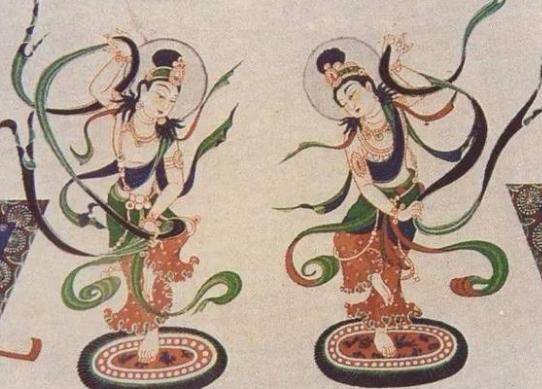
The Huxuan Dance, a lively and energetic performance from Central Asia, became a sensation in China during the Tang Dynasty (618–907 AD) thanks to cultural exchanges along the Silk Road. Imagine it as the "breakdancing" of its time—an energetic, spinning dance that captivated audiences with its fast footwork and rhythmic hip movements.
Introduced by traders and performers from regions like Persia (modern-day Iran) and Sogdiana (in today’s Uzbekistan), the Huxuan Dance symbolized the openness of Tang China, much like how jazz or hip-hop traveled globally centuries later. Historical records describe Tang nobles, including Emperor Xuanzong, being fascinated by this dance, which blended foreign flair with Chinese artistry.
A famous example is the poet Bai Juyi, who wrote about the dance’s mesmerizing spins, comparing them to swirling snowflakes. The dance often featured in grand banquets, alongside music played on instruments like the pipa (a lute-like instrument). Just as salsa or flamenco reflect Latin American culture, the Huxuan Dance was a vibrant expression of Central Asian identity, adapted and embraced in China.
Today, its legacy lives on in traditional Chinese performing arts, reminding us how the Silk Road was not just a trade route but a bridge for cultural fusion.