How Silk Shaped Civilization
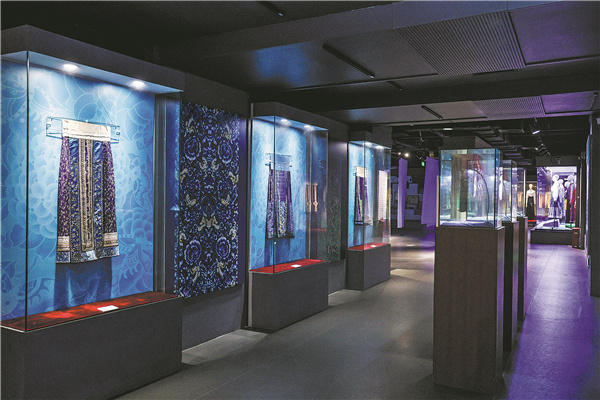
The Shanghai Textiles Museum's ongoing exhibition Splendid Mamianqun. [Photo provided to China Daily]
If you’re curious about how a single fabric could change the world, look no further than silk. From ancient China to modern global fashion, silk’s journey is a fascinating tale of innovation, trade, and cultural exchange.
Silk’s story begins in ancient China, where it was first discovered around 5,000 to 6,000 years ago. Archaeological evidence suggests that the Chinese were cultivating silkworms and weaving silk during the Neolithic period. According to legend, Leizu, the wife of the Yellow Emperor, discovered the technique of raising silkworms and weaving silk fabric over 4,000 years ago. This early innovation set the stage for China’s dominance in silk production for centuries to come.
By the Han Dynasty, China was the sole producer of silk, and the fabric became a key marker of Chinese identity. Silk was not just a luxury item; it was a cultural treasure. Its soft luster and comfortable texture made it highly desirable, and its production techniques were closely guarded secrets. Silk’s importance grew as it became a major export, fueling China’s economy and spreading its influence across the ancient world.
The rise of the Silk Road marked a pivotal chapter in silk's global journey. Starting in the Western Han Dynasty, silk was exported in large quantities to the West. This trade route connected China to the Mediterranean, facilitating an unprecedented exchange of goods, ideas, and cultures. Silk became a prized commodity in the ancient world, and its trade brought wealth and cultural exchange to both East and West. The Silk Road was not just a trade route; it was a bridge between civilizations, and silk was its most iconic product.
As centuries passed, Chinese silk-making expertise gradually traveled westward, revolutionizing European textile production. Advanced techniques like silk reeling and jacquard weaving inspired manufacturing innovations that would transform Europe's industrial landscape. Beyond technology, silk's aesthetic influence permeated Western art and fashion, leaving an indelible imprint on creative expression across continents.
Today, silk remains a symbol of luxury and elegance. It is used in high-end fashion, home decor, and even technology. Modern silk production combines traditional techniques with advanced technology, ensuring that this ancient fabric continues to thrive. Silk’s journey from ancient China to the global stage is a testament to its enduring appeal and versatility. Whether you’re wearing a silk scarf or admiring a silk tapestry, you’re part of a tradition that spans millennia.