Ancestor Worship and Spring Outings: Qingming Festival
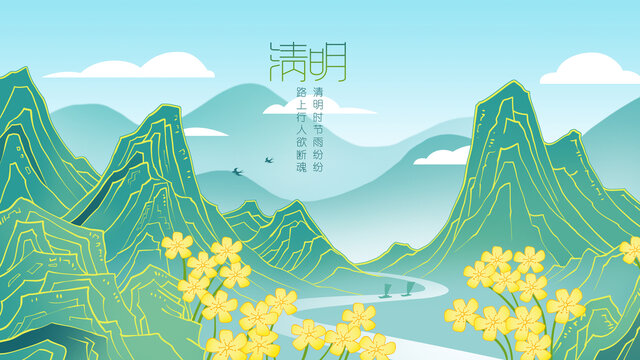
In the rich tapestry of global cultural traditions, the Qingming Festival in China stands as a unique blend of solemn remembrance and joyful celebration, much like the Mexican Dia de los Muertos, which combines reverence for the deceased with vibrant festivities. This annual event not only reflects China’s deep-rooted family values but also offers a window into the nation’s harmonious relationship with nature.
Origins of the Qingming Festival
With a history spanning over 2,500 years, the Qingming Festival traces its roots back to ancient China’s ceremonial practices. Initially, it was a solar term marking the arrival of spring, signaling the ideal time for agricultural activities. Over time, it merged with the Cold Food Festival, a period when people refrained from using fire to commemorate a loyal official named Jie Zitui. As a result, Qingming Festival became a day to honor ancestors and embrace the rejuvenating spirit of spring.
Customs of the Qingming Festival
One of the most prominent customs is ancestor worship. Families visit ancestral graves, clean tombstones, offer food, flowers, and paper money, and perform respectful bows. Simultaneously, the festival is associated with spring outings, known as “outing in the green.” People flock to parks and countryside, enjoying picnics, kite-flying, and other outdoor activities. Kite-flying, in particular, is not only a fun pastime but also symbolizes letting go of worries.
Cultural Significance of the Qingming Festival
The Qingming Festival encapsulates profound cultural values. Ancestor worship reinforces the importance of filial piety and family lineage, strengthening intergenerational bonds, similar to how genealogy research has become popular in the West to explore family heritage. Spring outings, on the other hand, embody the Chinese philosophy of living in harmony with nature, celebrating the cycle of life and death. Moreover, the juxtaposition of mourning and merriment during Qingming reflects the Chinese understanding of life’s dualities, teaching people to cherish both the memories of the past and the beauty of the present. Through these customs, the Qingming Festival continues to play a vital role in preserving Chinese cultural identity and promoting a sense of community.