Tradition Meets Modernity: The Rituals, Customs, and Evolution of Chinese Weddings

Traditional Wedding Rituals
A traditional Chinese wedding is a sequence of symbolic rituals, blending Confucian values of family and harmony with folk customs, much like a Hindu wedding’s multi-day ceremonies. Key steps include “proposal” (the groom’s family presents gifts to the bride’s), “hair-dressing” (the bride’s hair is styled into a bun, symbolizing maturity), and “tea ceremony” (couples serve tea to elders to seek blessing—similar to how Korean weddings use pyebaek). The “wedding procession” features the bride in a red dress (red symbolizes luck) and the groom on a horse, with firecrackers chasing away evil spirits—echoing the noise of Western wedding bells.
Symbolic Customs
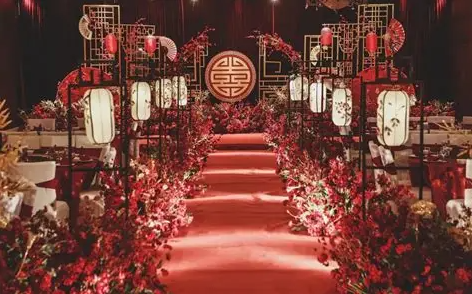
Many traditions carry deep meaning: “double happiness” (shuangxi) characters decorate the venue, representing marital bliss; the bride carries a red umbrella to shield from “evil eyes,” like a Jewish chuppah (wedding canopy) offering protection. “Crossing the threshold” sees the bride step over a lit stove to ensure a warm home, while “nuptial chamber games” (playful pranks by guests) bring joy, similar to Western reception toasts. Gifts often include dates and peanuts, 谐音 (homophones) for “have a baby soon,” reflecting the importance of family continuity.

Evolution in Modern Times
Today’s weddings blend tradition and innovation: couples may wear Western white gowns for photos but red dresses for the tea ceremony; destination weddings replace processions, yet retain the tea ritual. Some skip firecrackers for eco-friendly alternatives, while others add personalized vows—a nod to individualism. These changes mirror global trends, where couples honor heritage while expressing uniqueness, much like how Italian weddings mix Catholic rites with modern celebrations. Despite evolution, the core remains: celebrating love, family, and new beginnings.