Views on Life and Death: The Rituals, Customs, and Cultural Meanings of Traditional Chinese Funerals
The Ritual Process
Traditional Chinese funerals last 3–7 days, focused on honoring the deceased and guiding their soul. Key steps include:
Body preparation: The deceased is cleaned, dressed in white/black (no red), sometimes with a rice bowl for the soul—similar to Latin American food offerings for the dead.
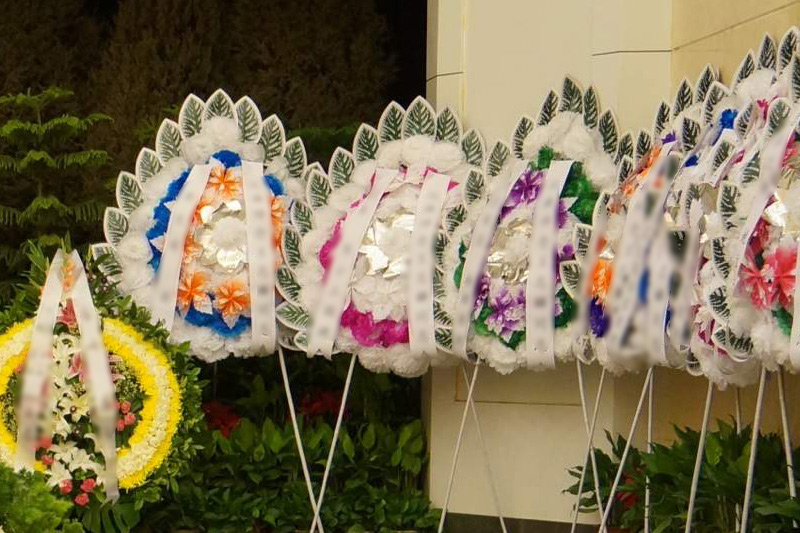
Ting Ling: The casket is placed at home, with white lanterns and mourners bringing money envelopes. Family wears white and bows to visitors.
Procession & burial: The eldest son leads with a “spirit banner,” and a band plays mournful music. Family throws soil on the casket to say goodbye.
Symbolic Customs
Burning paper offerings: Paper money, houses, or phones are burned—believed the deceased uses them in the afterlife, like ancient Greeks burying tools.
Mourning attire: Immediate family wears rough sackcloth; distant relatives light blue/gray—mirroring Victorian England’s color-coded grief.
Taboos: No laughing, jewelry, or direct home return post-burial (to avoid “evil spirits”).
Cultural Meanings
Filial piety (xiao): Rituals honor ancestors, as Confucianism demands—similar to Jewish funeral respect for the dead.
Death as transition: Not an end, but a move to a realm where the deceased watches over family (why graves are visited on Qingming).
Community support: Wakes bring people together to comfort the bereaved, like Irish wakes’ collective grief-sharing.
Modern funerals simplify rituals but keep core goals: honor the dead, uphold tradition, and celebrate life’s cycle.