Costume Culture in the Spring Festival and Its Symbolic Meanings
As China’s most important traditional festival, the Spring Festival features distinctive costume culture that blends festive vibes with profound symbolism—much like Christmas attires embody Western holiday spirits. These costumes are tangible carriers of auspicious beliefs and cultural identity.
Core Aesthetics and Characteristics
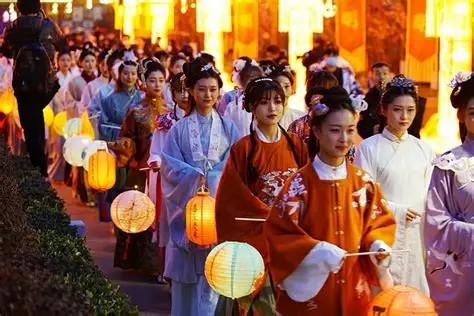
Spring Festival costumes focus on festive grandeur and symbolic implication. Colors and motifs are highly symbolic. Crimson is the core hue—rooted in ancient fire worship, it signifies warding off evil and welcoming good luck. Gold and emerald are complementary, representing prosperity and vitality. Key embroideries include dragons (prosperity), phoenixes (auspiciousness), peonies (wealth), and bats (blessings, as "bat" rhymes with "blessing" in Chinese).
Representative Costumes and Their Meanings
Hanfu Highlights
The iconic crimson brocade Hanfu is a festival staple. Its crimson silk paired with dragon-phoenix embroidery conveys wishes for family prosperity and harmony. For children, tiger-head hats and crimson bellybands are popular—tiger patterns symbolize protection for healthy growth, while crimson carries good-luck wishes.
Cultural Significance
Spring Festival costumes strengthen collective identity. Matching family attires for New Year’s Eve dinners or traditional costumes for lion dances bond communities. Younger generations now favor improved Hanfu (with modern cuts), blending traditional symbols with contemporary style—ensuring this culture thrives in modern times.
In short, every color and motif in Spring Festival costumes conveys New Year wishes and reverence for tradition.