The Inheritance and Changes of Chinese Folk Customs in Modern Society
Chinese folk customs, rooted in millennia of history, have evolved amid modernization—preserving core cultural spirits while adapting to urbanization, technology, and new lifestyles.
Inheritance: Safeguarding Core Values
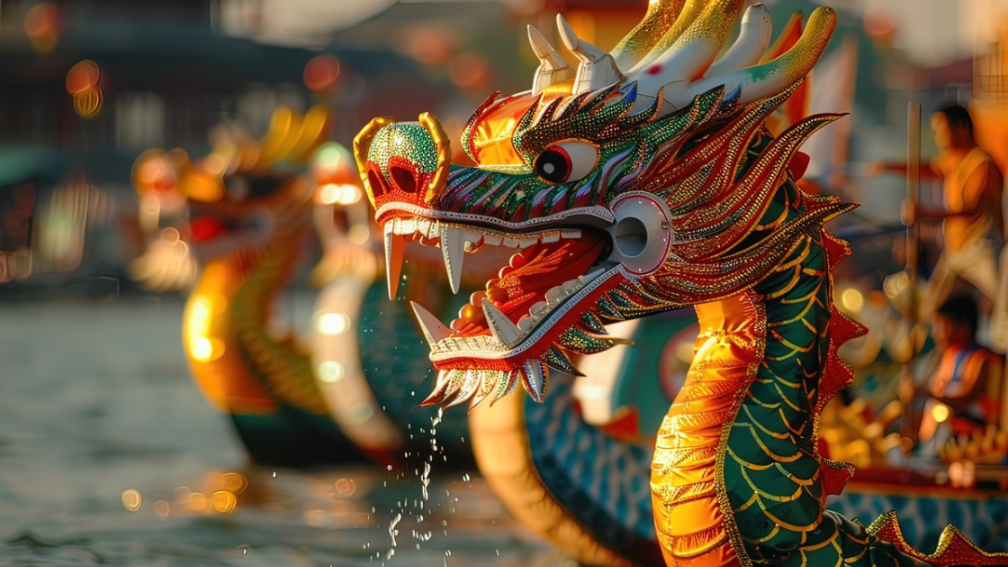
Traditional customs persist through institutional support and daily practice. Festivals are central: the Spring Festival remains a national reunion anchor, with reunion dinners and red decorations retained, even supplemented by digital red envelopes. Designated as intangible cultural heritage (ICH), the Dragon Boat and Mid-Autumn Festivals see official promotions like public dragon boat races and mooncake-making workshops to engage youth.
ICH protection also sustains crafts like paper-cutting and shadow puppetry, integrated into school curricula and supported by artist grants. Rural areas retain ancestral worship and harvest rituals, acting as living museums of tradition.
Changes: Adapting to Modern Life
Modernization reshapes customs’ forms. Urbanization transforms rural rituals: temple fairs become cultural tourism events, blending lion dances with commercial stalls. Weddings simplify ancient "three letters and six etiquettes" into hotel banquets, keeping symbolic red dresses and betrothal gifts.
Technology drives innovation: folk music (e.g., erhu) mixed with electronic beats goes viral online; shadow puppet plays stream globally. Festive interactions digitize—WeChat greetings complement handwritten couplets, and virtual lantern shows enhance physical ones.
A Dynamic Balance
Core values (family harmony, ancestor respect) endure, while forms adapt to urban and digital life. This balance keeps folk customs from being relics, but living culture connecting generations.