The Globalization of Chinese Folk Festivals: How Spring Festival and Mid-Autumn Festival Evolve Abroad
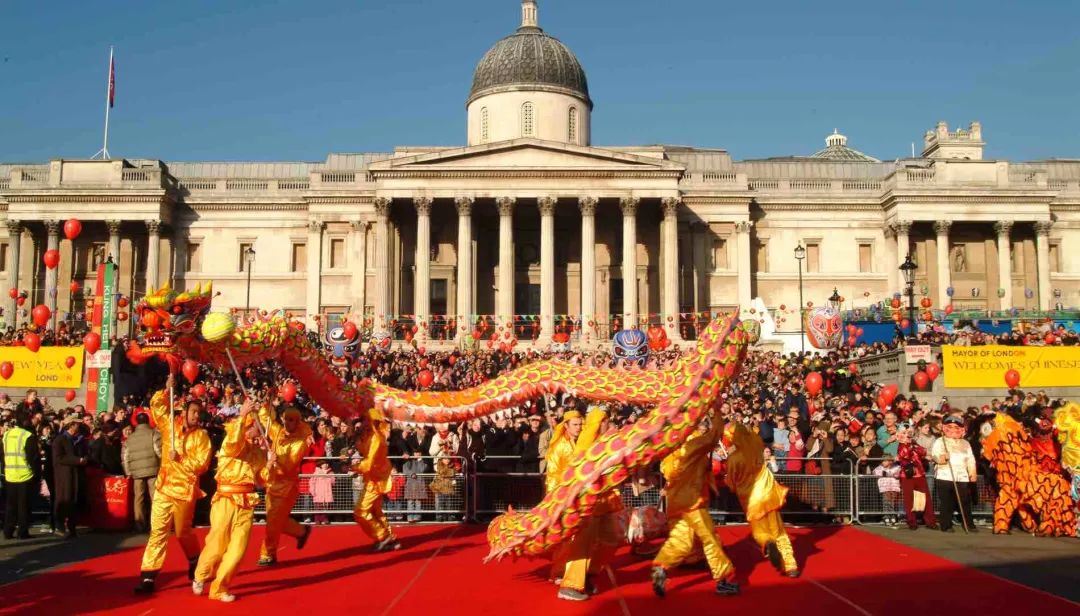
Chinese festivals like Spring Festival (Chinese New Year) and Mid-Autumn Festival are no longer just celebrated in China—they’ve taken on unique forms overseas, blending with local cultures while keeping their core traditions.
Take Spring Festival, for example. In cities like San Francisco and Sydney, parades with dragon dances and fireworks mirror Western events like Christmas or New Year’s Eve, but with lion dancers and red envelopes (hongbao) as cultural signatures. Many non-Chinese locals join in, seeing it as a vibrant, family-friendly celebration—similar to how Halloween is embraced globally.
Similarly, the Mid-Autumn Festival, centered on mooncakes and family reunions, has found new expressions. In places like Kuala Lumpur (Malaysia) or Vancouver (Canada), bakeries sell mooncakes with local flavors—like durian or matcha—to cater to diverse tastes, much like how sushi rolls adapt to Western palates. Communities host lantern walks, akin to Europe’s summer solstice festivals, but with Chinese poetry and tea.
These adaptations show how Chinese festivals, while rooted in ancient customs, evolve to resonate with global audiences—bridging cultures through shared joy and food. They’re not just Chinese traditions anymore; they’re becoming part of the world’s cultural mosaic.