Jingtailan
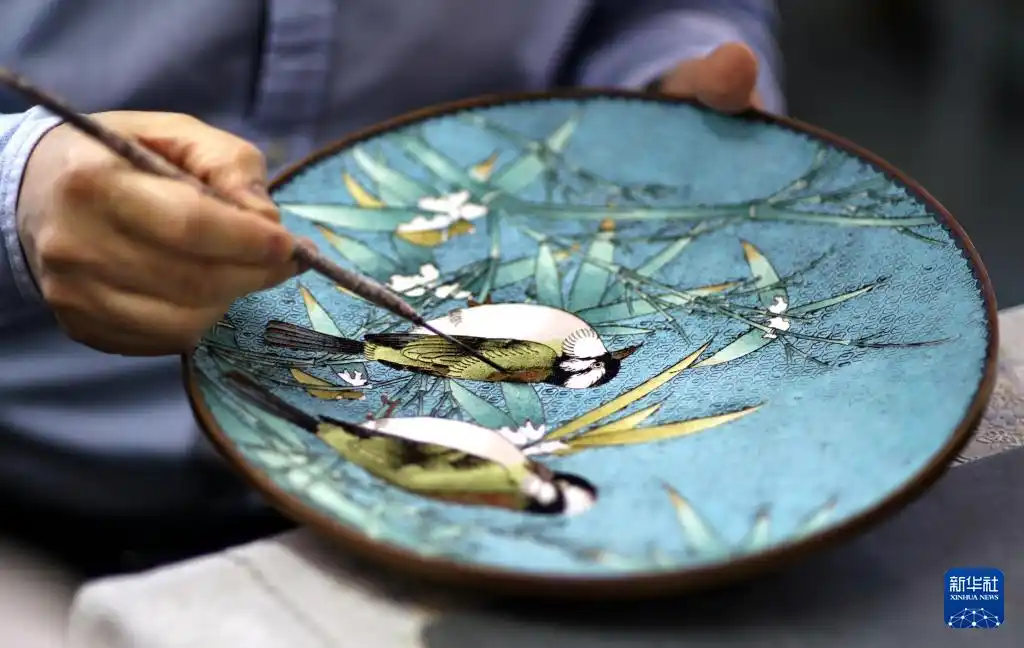
In the heart of Beijing, a dazzling art form known as Cloisonné (or Jingtailan in Chinese) has captivated audiences for centuries. Named after the Jingtai Era of the Ming Dynasty (1450–1457), when its signature cobalt blue glaze reached perfection, this craft is technically called Copper-base Cloisonné Enamel. It represents a magnificent fusion of foreign enamel techniques introduced from the West and China’s indigenous metalworking traditions.
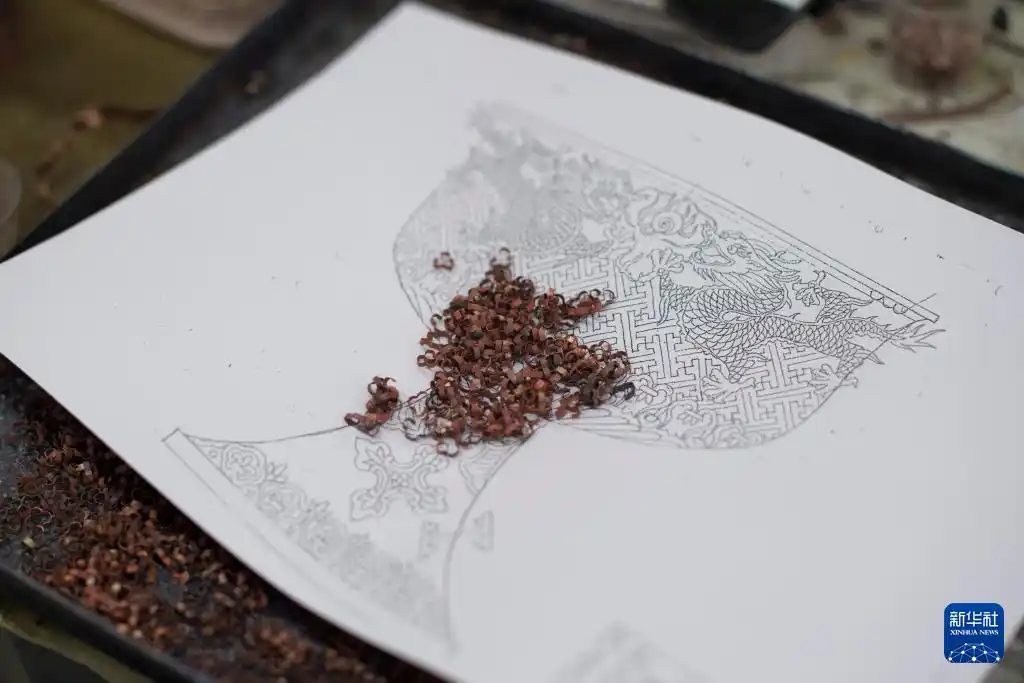
Creating a piece of Cloisonné is a labor of love that demands immense patience and precision. The process begins with a copper base, onto which artisans hand-bend thin copper wires into intricate patterns—flowers, dragons, or clouds. These wires are then soldered onto the surface, forming tiny compartments called cloisons (hence the name). Next, vibrant enamel pastes are carefully filled into these cells. The piece undergoes multiple rounds of firing in a kiln, followed by rigorous polishing to reveal a smooth, gem-like surface, and finally, a layer of gold plating is applied to the exposed copper wires. The result is an object that feels solid yet radiant, glowing with a golden splendor that once adorned only the Imperial Palace.
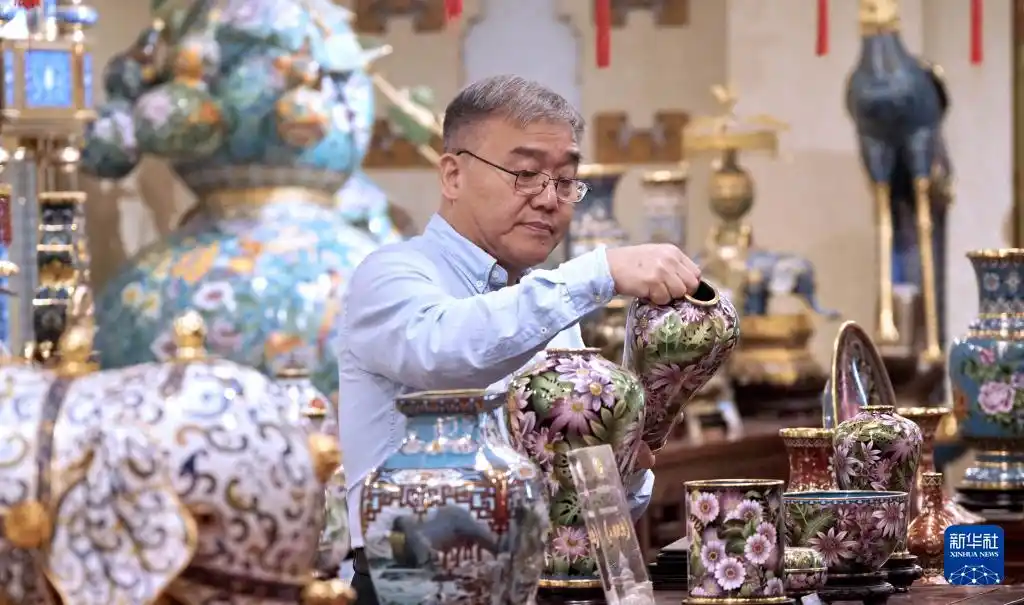
Once on the brink of disappearance during times of social turmoil, Cloisonné was revitalized after 1949 through state protection and has since flourished. Today, it stands as a symbol of China’s Court Art, celebrated for its elegant shapes, rich colors, and complex designs.