Ming-Style Furniture
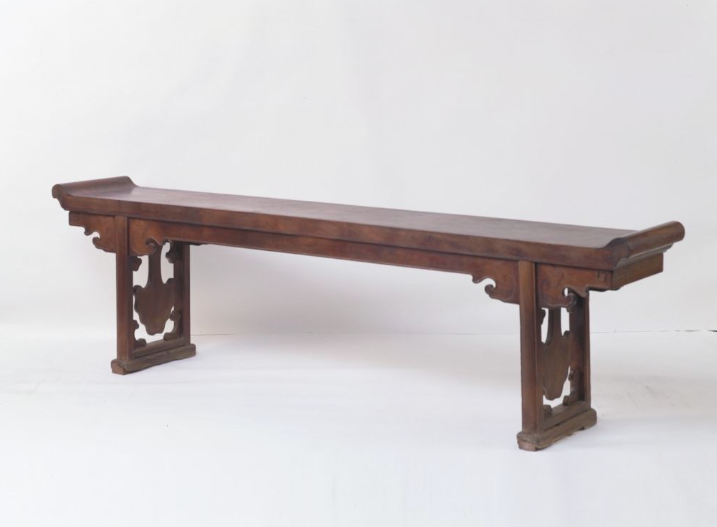
Rooted in the refined craftsmanship of the Song and Yuan dynasties, Ming-style furniture reached its golden age in the mid-Ming Dynasty. Centered in the Jiangnan region around Suzhou, this style—often called Su-style—became the benchmark for Chinese hardwood furniture. While Ming-style is often used as a blanket term, it actually spawned three distinct regional schools, each with its own character: the minimalist Su-school (Suzhou), the majestic Jing-school (Beijing), and the eclectic Guang-school (Guangzhou).
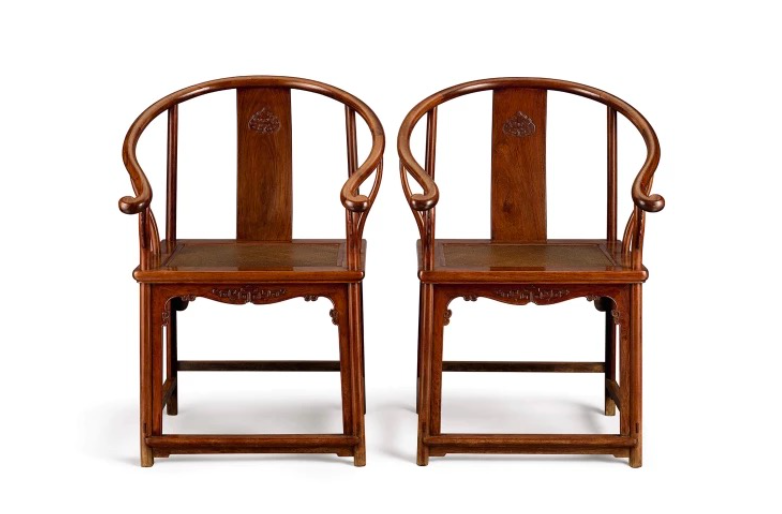
Unlike the ornate, heavily carved furniture of later periods, Ming furniture is celebrated for its minimalist elegance, structural integrity, and profound respect for the natural beauty of wood. The soul of Ming furniture lies in its construction. Master craftsmen used precious hardwoods like Zitan (red sandalwood) and Huanghuali (yellow rosewood), relying entirely on the ancient art of Mortise-and-Tenon joinery (Sunmao). Not a single nail or drop of glue was needed. This intricate system of interlocking joints not only ensured the furniture’s durability and balance but also allowed the wood to expand and contract with the seasons without cracking. The design philosophy was clear: “Structure is decoration.” The clean lines, proportional symmetry, and smooth curves were not just functional; they were a visual expression of Confucian order and Daoist harmony.
It began with meticulous design, where the master envisioned both form and structure. The woodworking phase involved precise marking, cutting, and assembly, followed by endless hours of sanding to achieve a silk-like touch. Finally, the lacquering process—a sequence of up to 16 steps using raw lacquer—created a finish that was glossy yet deep, often described as “seeming like lacquer, yet not quite”, allowing the wood grain to breathe through.
Today, Ming-style furniture is revered as a milestone in global design history. Its perfect blend of utility, aesthetics, and science transcends time.