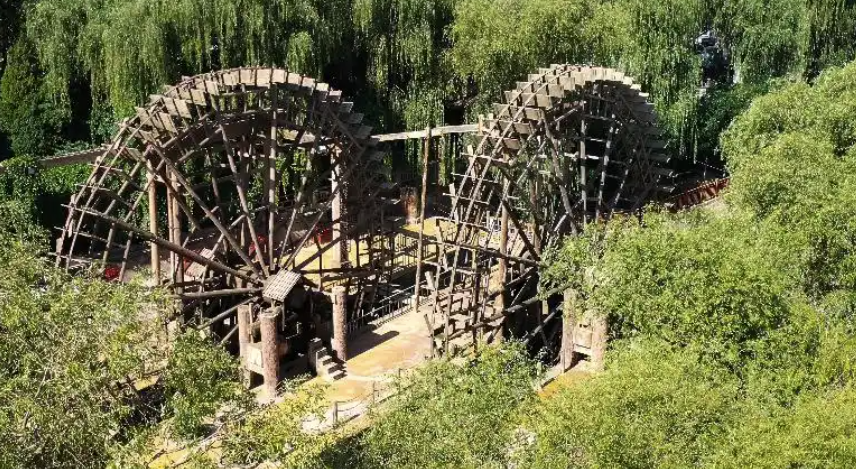
Lanzhou Waterwheel Craftsmanship
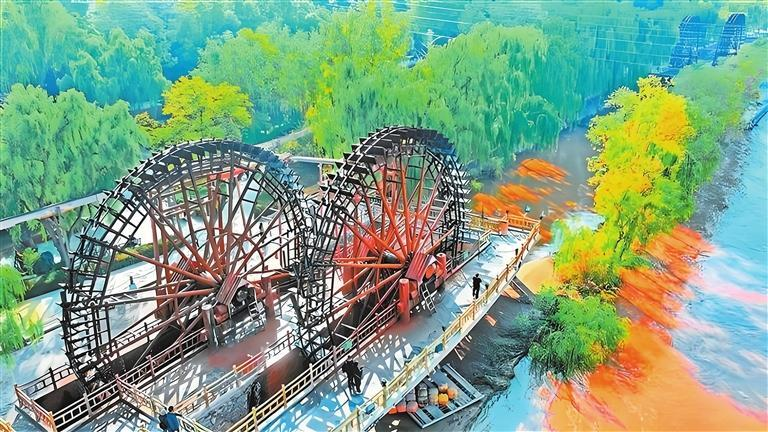
Along the arid banks of the Yellow River in Lanzhou, colossal wooden structures known as the Lanzhou Great Waterwheels once transformed barren land into fertile fields. Invented in 1556 by official Duan Xu, these giants were engineered to solve a specific geographical challenge: lifting water from the river, which flows far below the city’s farmland. Some wheels reach diameters of over 20 meters, making them among the largest traditional irrigation tools in history.
Crafted primarily from wood using intricate joinery rather than nails, a single waterwheel could irrigate up to 800 mu (about 132 acres). Powered solely by the river’s current, the wheels rotate continuously, lifting water into troughs that channel it to the fields. This efficient, low-cost technology fueled an agricultural boom in Northwest China during the Ming and Qing dynasties, supporting countless livelihoods and fostering regional stability.
The Lanzhou Waterwheel is a triumph of scale and simplicity, embodying the Chinese philosophy of adapting to local conditions (yin di zhi yi). While modern pumps have largely replaced them, the remaining wheels along the riverbank serve as iconic landmarks. They stand as open-air museums of hydraulic engineering, reminding us how traditional craftsmanship laid the foundation for prosperity in harsh environments. The sight of these slow-turning giants against the muddy river remains a powerful symbol of human ingenuity.