Wan'an Compass Craftsmanship
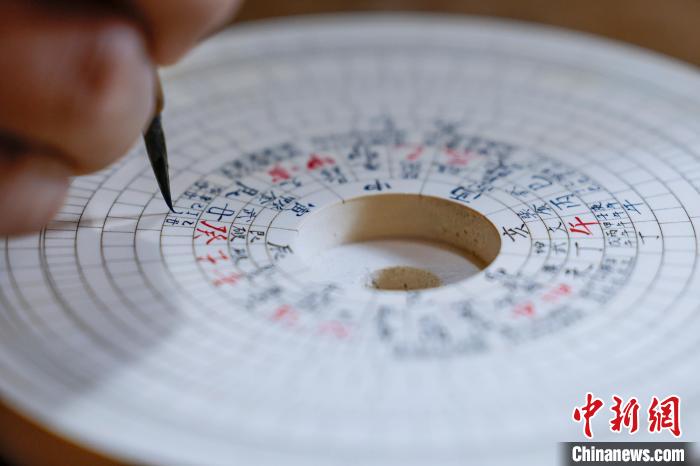
Long before modern navigation, the Wan'an Compass served as a sophisticated instrument for Chinese astronomers, navigators, and geomancers. Produced in Wan'an Town, Anhui Province, it is the only compass in China still crafted entirely by hand using ancient techniques. More than a simple direction finder, the Wan'an Compass is a complex disk integrating astronomy, geography, philosophy, and the I Ching (Book of Changes). Its exceptional quality earned it a Gold Medal at the 1915 Panama-Pacific International Exposition.
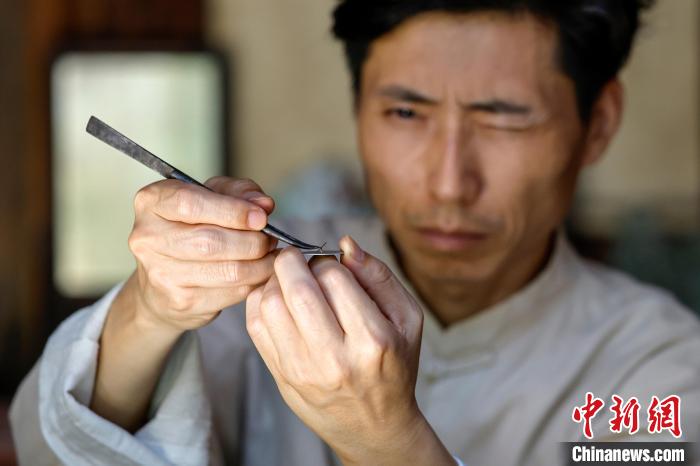
Creating a Wan'an Compass is a meticulous art form involving over six rigorous stages. It begins with selecting Tiger Bone wood (Chinese Tallow Tree), prized for its resistance to warping. The wood is turned, polished, and hand-carved with concentric rings representing layers of cosmic data. The most critical step is the installation of the magnetic needle, a proprietary technique traditionally performed by the master craftsman in seclusion to ensure perfect balance and magnetization. Finished with layers of refined tung oil, each compass is built to last for centuries.

Whether used for ocean voyages or selecting auspicious sites for homes and tombs (Feng Shui), it embodies the belief that human life is interconnected with the cosmos. With its intricate calligraphy and precise divisions, the compass is as much a work of art as a scientific tool. Today, it preserves the legacy of the magnetic compass—one of China’s Four Great Inventions—bridging ancient wisdom with the enduring skill of master artisans.