Pingyao Polished Lacquerware
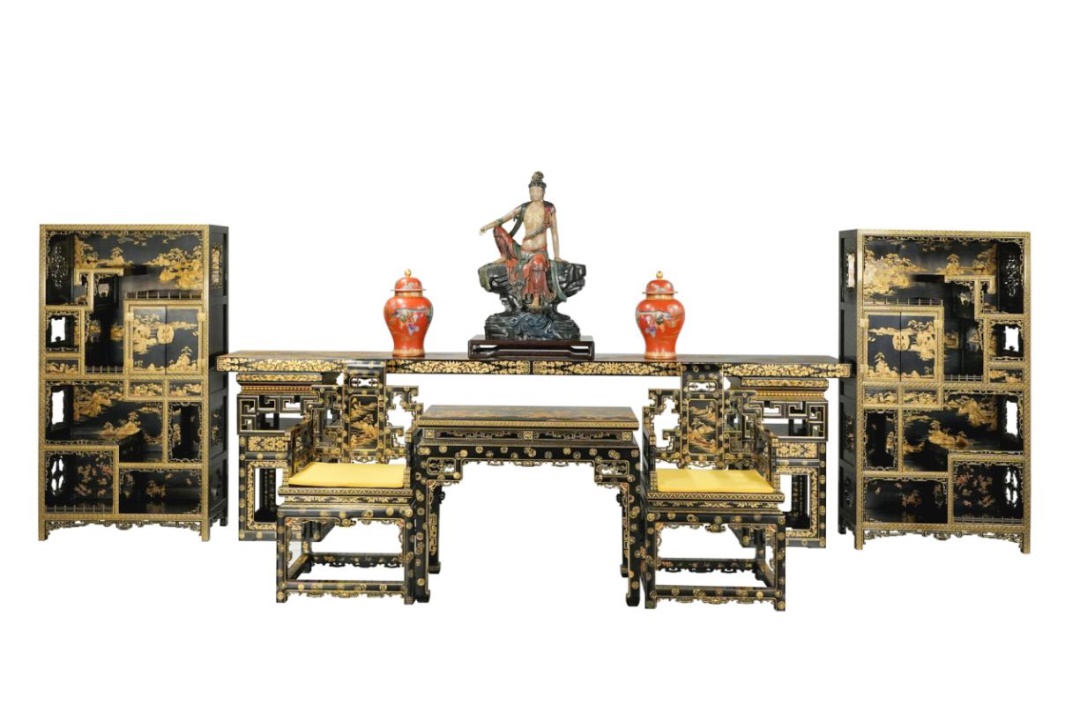
Pingyao Polished Lacquerware is renowned for its unique finishing technique: instead of using mechanical buffers, artisans polish the lacquer surface by hand using their palms, aided by fine powders and oils. This labor-intensive method, known as tuiguang, creates a mirror-like shine that grows warmer and more lustrous with time. Originating in Pingyao County, Shanxi, during the Tang Dynasty, the craft thrived alongside the rise of Jin merchants in the Ming and Qing eras, becoming a household name across northern China.
The creation of Pingyao polished lacquerware follows eight meticulous stages: refining the raw lacquer, preparing a tung-oil topcoat, and reinforcing the wooden core with layers of hemp, cloth, or paper. After curing in a humidity-controlled room, artisans apply intricate designs using gold, paint, and eggshell inlay. The process culminates in tuiguang—a unique hand-polishing technique using charcoal, hair, and oil to achieve a mirror-like finish—followed by final decorative engraving or gilding.
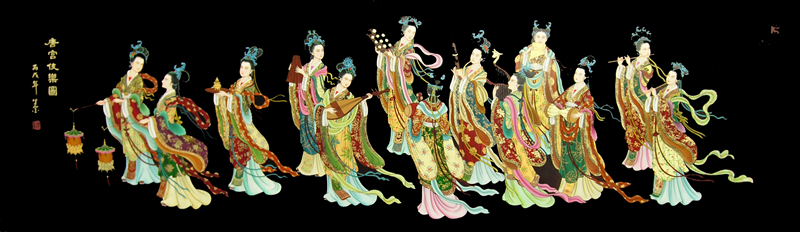
Historically used in imperial palaces and temples, Pingyao lacquerware ranges from practical furniture (cabinets, screens) to exquisite art pieces. Despite facing challenges from modern synthetic paints, the tradition persists thanks to masters like Xue Shengjin, who have dedicated their lives to preserving this endangered art. Recognized with the National Gold Cup Award in 1989, these pieces are now collected globally and displayed in prestigious venues like the Great Hall of the People.