Beijing Carved Lacquer (Diaoqi)
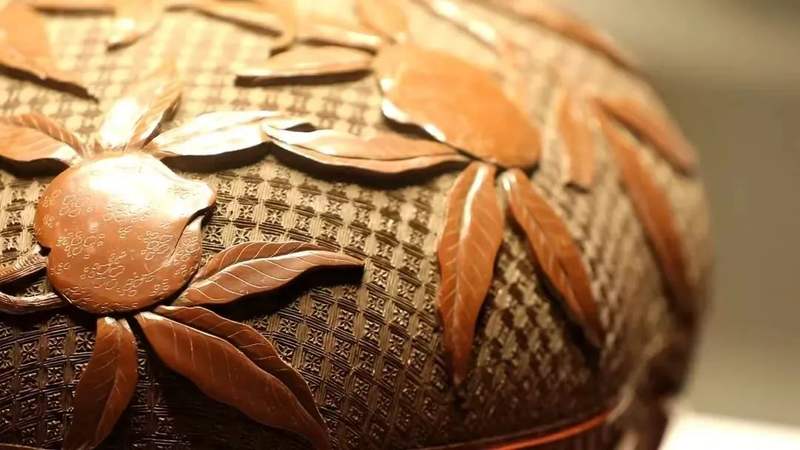
Beijing Carved Lacquer, known as Diaoqi, is a masterpiece of Chinese craftsmanship where art meets endurance. The process involves applying hundreds of layers of natural lacquer onto a vessel until a thick, solid cushion forms. Only then do artisans begin to carve intricate patterns into this hardened surface. The result is a piece of profound depth, with designs that appear to float within the lustrous red (or occasionally black or yellow) finish. Beyond its aesthetic beauty—characterized by elegant shapes and meticulous detailing—carved lacquer is remarkably durable, resisting moisture, heat, acids, and deformation over centuries.
Originating in the Tang Dynasty, the craft flourished under the patronage of the Yuan, Ming, and Qing imperial courts in Beijing, absorbing techniques from across China to become the nation’s premier lacquer art. A pivotal moment occurred in 1904 with the founding of Jigu Zhai, the first folk workshop dedicated to this art. Following 1949, these scattered masters united to form the Beijing Carved Lacquer Factory, ensuring the survival and evolution of the tradition.
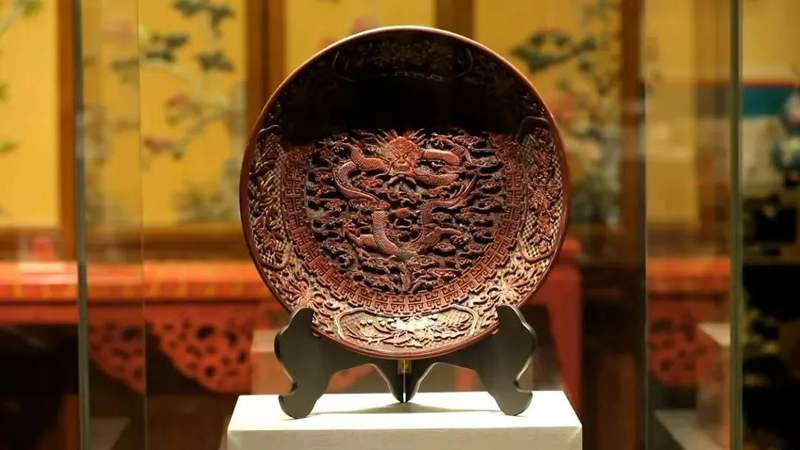
Today, Beijing Carved Lacquer stands as a symbol of patience and precision. Creating a single piece can take months or even years, as each layer of lacquer requires specific humidity and time to dry before the next can be applied. The motifs often depict historical stories, floral landscapes, or dragon and phoenix patterns, blending sculpture, painting, and decorative arts. More than just a decorative object, it represents the pinnacle of China’s lacquerware culture, offering a tangible link to the sophisticated artistic sensibilities of the past.