Heritage Grid | Xanadu and Khanbaliq: The Twin Jewels of China's Yuan Dynasty
In 1797, the English poet Samuel Taylor Coleridge awoke from a vivid dream with fragments of a magnificent poem swirling in his mind. He hastily scribbled down the now-famous lines:
In Xanadu did Kubla Khan
A stately pleasure-dome decree
......
So twice five miles of fertile ground
With walls and towers were girdled round:
And there were gardens bright with sinuous rills,
Where blossomed many an incense-bearing tree
This Xanadu was Shangdu(上都), the summer capital of Kublai Khan, grandson of Genghis Khan and founder of China’s Yuan Dynasty.
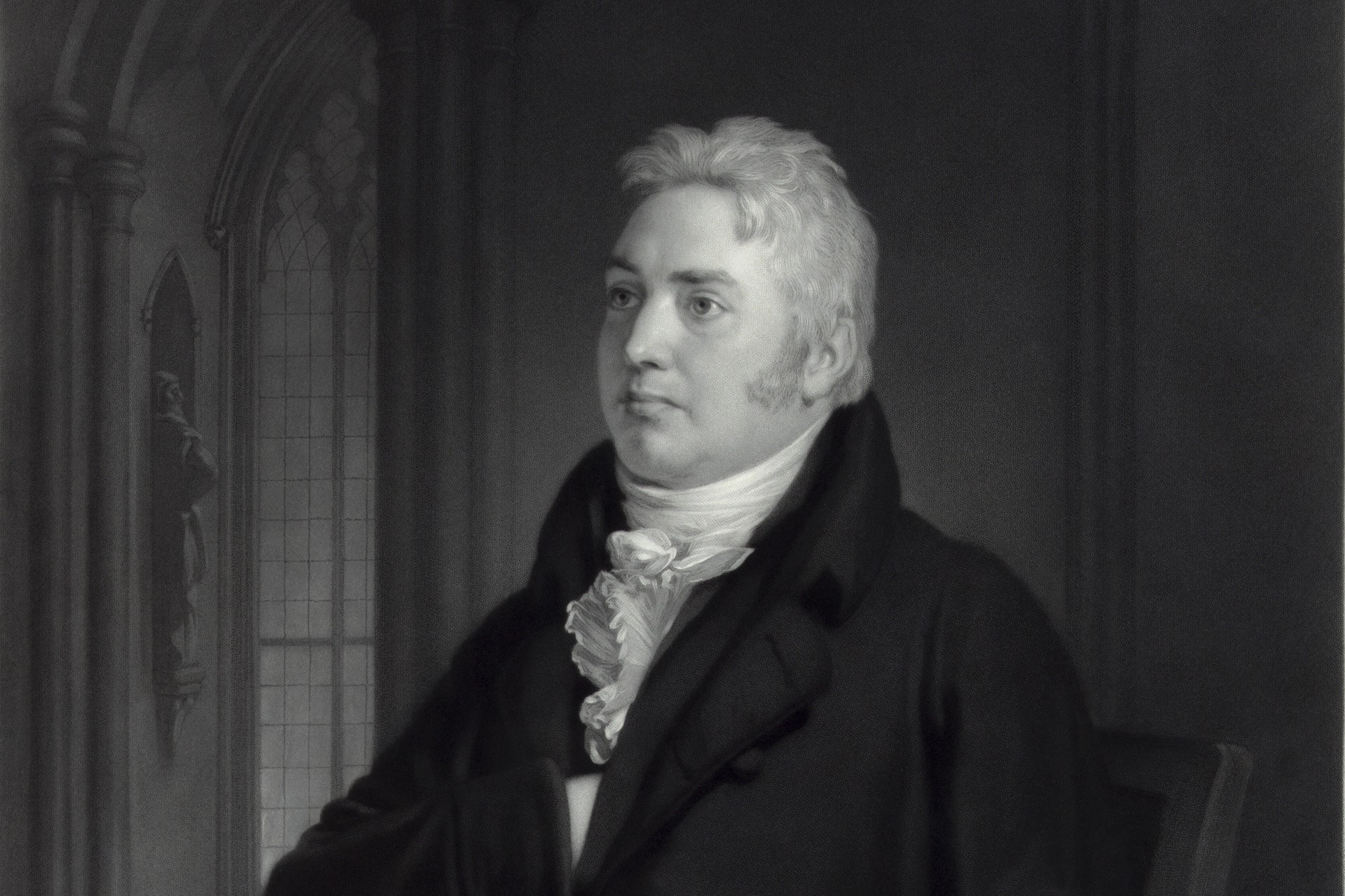
▲The portrait of Samuel Taylor Coleridge
Coleridge’s vision, inspired by his reading of The Travels of Marco Polo, captured the world’s imagination—a place where imperial splendor met wilderness, where marble palaces stood amid lush grasslands and sacred rivers.
The Enchantment of Xanadu
This romantic image had a very real source. In 1275, a young Venetian merchant named Marco Polo arrived at this very court after a grueling journey along the Silk Road from the Black Sea. He, his father, and his uncle were granted an audience with the Great Khan himself. Polo spent his next 17 years in Kublai’s service, and his subsequent travelogue described Shangdu in dazzling detail: a walled city of marble palaces, bustling markets, and a vast park filled with fountains, game, and the magnificent tents of the Mongol court. It was Marco Polo who first made Xanadu a synonym for exotic opulence in the Western mind.
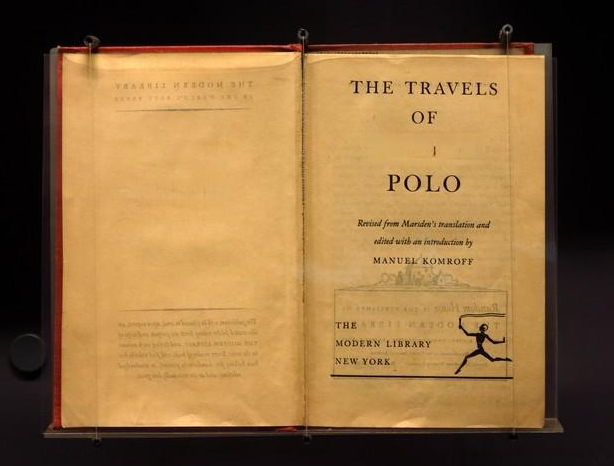
▲ The travels of Polo
The History of Shangdu (Xanadu)
Shangdu, meaning Upper Capital, was Kublai Khan’s personal project. Before becoming Emperor, he ordered its construction in 1256 in a grassland area called Kaiping(开平府), north of the Great Wall. It was here, in 1260, that he held a great kurultai (council) and was proclaimed the Great Khan of the Yuan Empire. Although he later established his main capital at Dadu (modern Beijing), Shangdu remained his deeply cherished summer retreat.
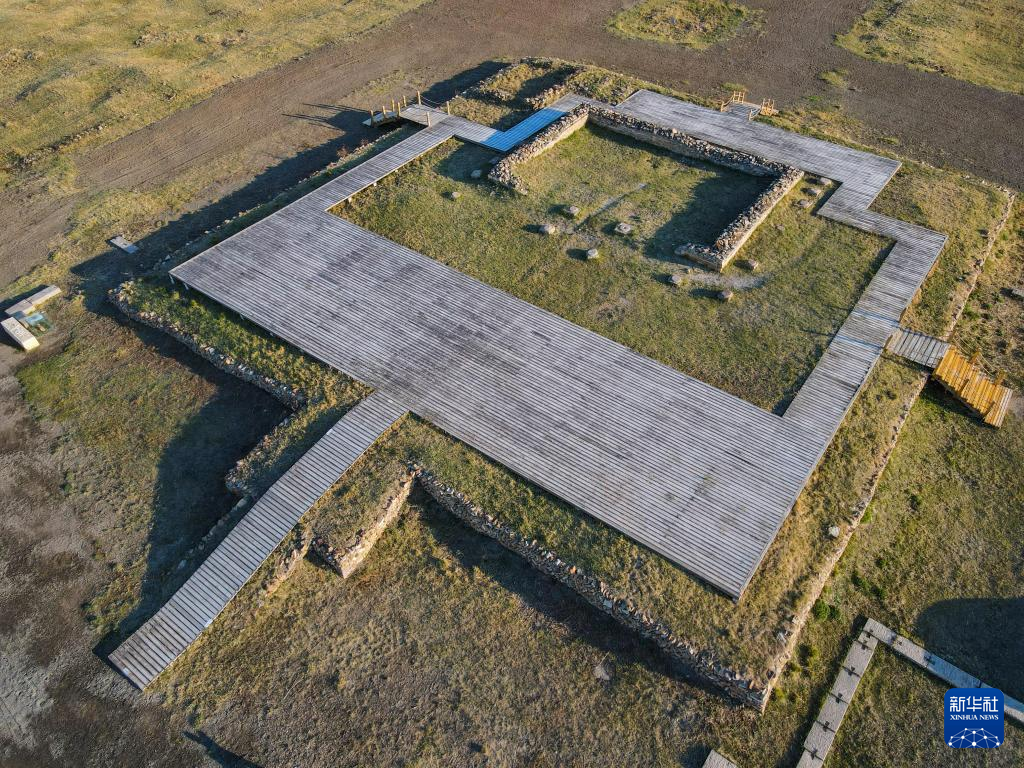
▲The ruins of Shangdu, now the Xilingol League, Inner Mongolia
The city was meticulously designed. Its layout combined classic Chinese urban planning—a rectangular grid with gates facing the cardinal directions—with traditional Mongolian preferences for open space and mobility. The outer city contained administrative offices, temples, and workshops for artisans, while the inner city housed government buildings. At its northern heart was the Imperial City, containing the palace where Kublai held court amidst the cool summer breezes of the steppe. Shangdu was not just a political center; it was a cultural and scientific hub, with an observatory and a diverse population of Mongols, Han Chinese, Central Asians, and even Europeans.
Xanadu and Dadu (Khanbaliq), the Dual-Capital System
In 1272, Kublai Khan formally established his primary capital at Dadu (known as Khanbaliq, City of the Khan, to foreigners), located at the site of modern Beijing. This grand city, built from scratch, was a monumental statement of imperial power, designed according to Confucian principles to administer the vast, sedentary agricultural heartland of China.
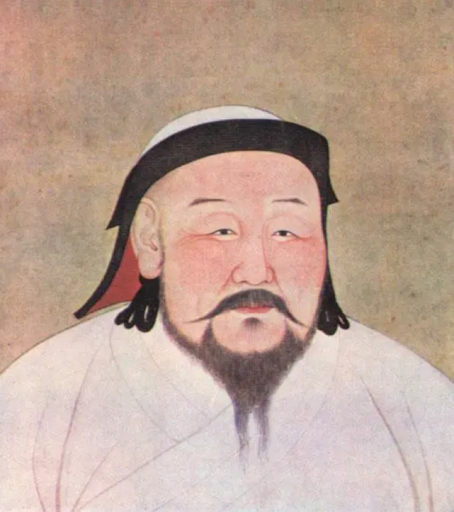
▲ The portrait of Kublai Khan
This created a unique administrative model: the Two-Capital System or the Annual Migration(两都巡幸制). Every spring, as the plains grew warm, the entire Yuan court—the emperor, his family, ministers, officials, soldiers, and a vast retinue—would pack up and travel north from the bustling, stone-walled Dadu to the grassy freedom of Shangdu. The government moved with the emperor. For several months, Shangdu became the empire’s active political center. Here, the court could escape the summer heat, reconnect with its nomadic roots through hunting and equestrian games, and host Mongol nobles and allies in a setting that felt like home.
Come autumn, the great procession would reverse, returning to Dadu for the winter and spring to manage the affairs of state from the traditional Chinese capital. This seasonal migration, involving tens of thousands of people, was a spectacular logistical feat and a powerful ritual that physically demonstrated the Yuan Dynasty’s dual nature: ruling China as a Chinese-style dynasty while maintaining the martial and cultural traditions of the Mongol Steppe.
Why the Twin Capitals are important
The two capitals served complementary and profound purposes. Dadu (Khanbaliq) was the engine of governance for a settled empire, a cosmopolitan metropolis positioned to control the North China Plain and the Grand Canal. It became the eastern terminus of the Silk Road and a global city where goods, ideas, and people from across Eurasia converged.
Shangdu (Xanadu), however, held a special symbolic and strategic role. It was far more than a pleasure-dome. It was the Steppe Capital, a political anchor in the Mongolian homeland, ensuring the loyalty of Mongol tribes. It was also the Starting Point of the Grassland Silk Road, while Dadu linked to the traditional desert Silk Road, Shangdu was the nexus for northern routes stretching across the Mongolian Plateau to Central Asia and beyond. This facilitated the flow of goods like Siberian furs, Central Asian horses, and European silver.
Shangdu's architecture and court life blended Chinese, Mongol, Tibetan, and Islamic influences, reflecting the inclusive, pan-Eurasian vision of the Pax Mongolica.
An Ecological and Political Retreat: Its location allowed the Mongol elite to practice their nomadic lifestyle—hunting, archery, and living in gers (yurts)—which was crucial for maintaining their identity and military readiness.
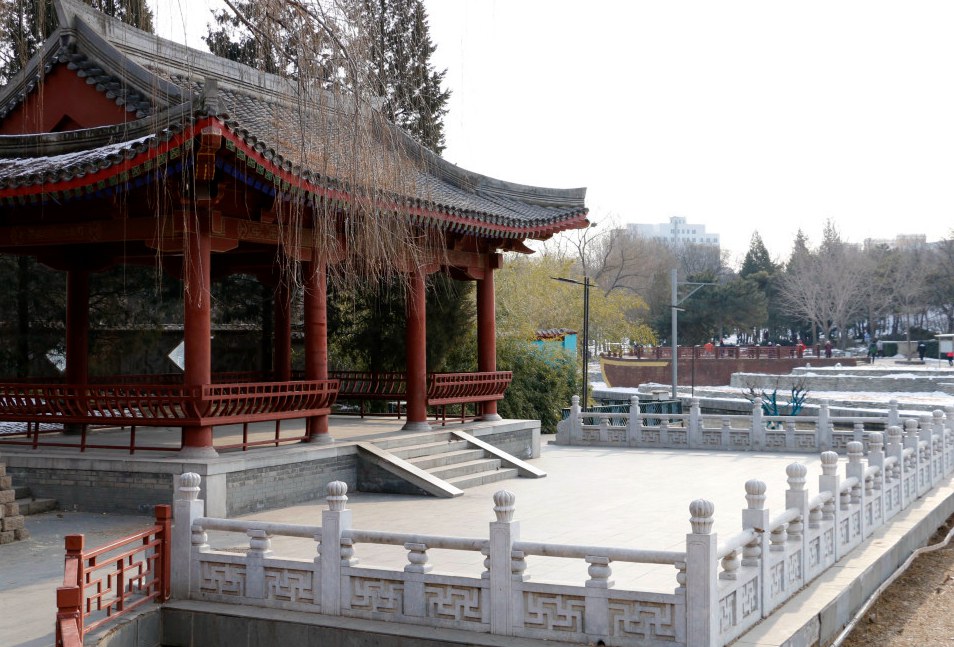
▲The ruins of the city wall of Yuan Dadu have been rebuilt as a city park in Beijing nowadays
The fall of the Yuan Dynasty in 1368 was swift. Ming forces captured and razed Shangdu, leaving it to return to the grasslands, a ghost city that lived on only in memory and poetry. Dadu was renamed and rebuilt as Beijing. Yet, the legacy of the twin capitals endures. They were the physical embodiment of Kublai Khan’s ambitious project to rule a world-spanning empire, forever linking the fate of the Mongolian steppe with the heart of China, and creating the legend of Xanadu—a place where history and dreams forever intertwine.
More info about the fourth capital of the Yuan dynasty, Zhongdu ↓
The Lost Capital of Kublai Khan’s Heir: Unearthing the Secrets of Yuan‘s FOURTH capital
https://www.heychinaculture.com/list_145/5109.html
Related articles
-
 Heritage Grid | What Do You Do After Saving Your Empire? (If You're Jingtai, You Get Demoted)
More
-
Heritage Grid | Decoding the Cosmic Architecture and Imperial Rituals of Beijing’s Temple of Heaven
More
-
Heritage Grid | The Loyal Guardian: Yuan Chonghuan‘s Tomb and the She Family’s Century-Long Vigil
More
-
Heritage Grid | 600 Years of Human Genius Encoded in Beijing’s Forbidden City
More
-
Beijing’s Central Axis: a Living Link Between Past and Future
More