Heritage Grid | The Sacred Peaks: How these Five Mountains Forged Chinese's Identity
For thousands of years, the Chinese people have gazed upon five majestic mountains with a sense of reverence that transcends their physical grandeur. These are not merely geological formations; they are the Wuyue, the Five Great Mountains, the sacred pillars of Chinese civilization. They stand as a living testament to a unique cultural phenomenon where nature, history, and spirituality intertwine, forming a profound natural and cultural heritage that continues to breathe life into the nation's identity.
The story of the Wuyue is rooted in an ancient mountain worship that predates recorded history. In the Chinese worldview, mountains were seen as the earthly spines connecting the human realm with the divine celestial court duo to their heights. They were places of immense power, where the Qi—the vital energy of the universe—concentrated. This belief crystallized into the philosophy of "Tian Ren He Yi," or the Harmony between Heaven and Humanity.
The Five Peaks became the ultimate embodiment of this ideal—sacred altars where emperors, as the "Sons of Heaven," would perform solemn rites to communicate with the cosmos and legitimize their rule, praying for peace and prosperity for their kingdom.
Each of the five mountains was assigned a cardinal direction and an elemental essence, creating a cosmic map of the empire.
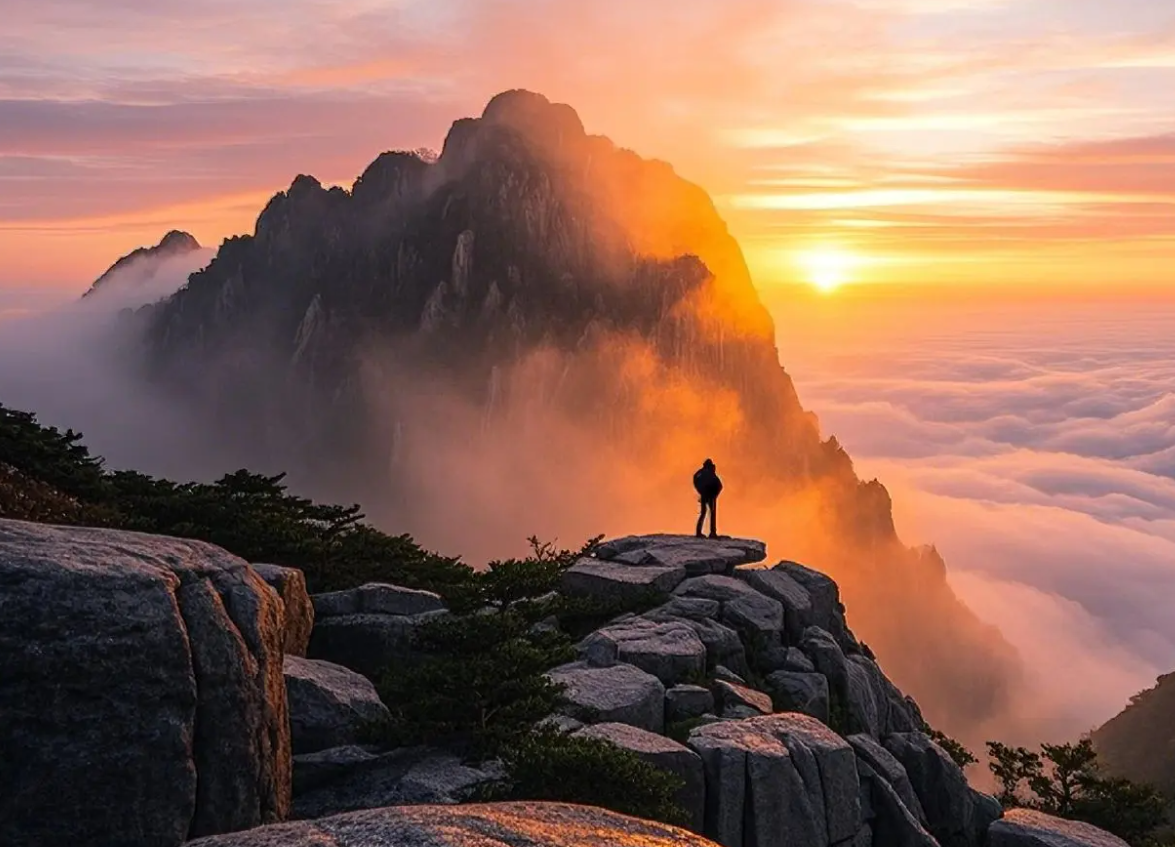
Mount Tai (East) – The Auspicious East, where the sun renews life. Taishan, in Shandong province, is the foremost of the Five Peaks, long considered the bridge to the afterlife. For over 3,000 years, emperors from Qin Shi Huang onwards conducted the Feng and Shan sacrifices at its summit. Its slopes are an open-air museum, adorned with thousands of inscriptions carved by poets and emperors, turning the mountain itself into a stone chronicle of Chinese history.
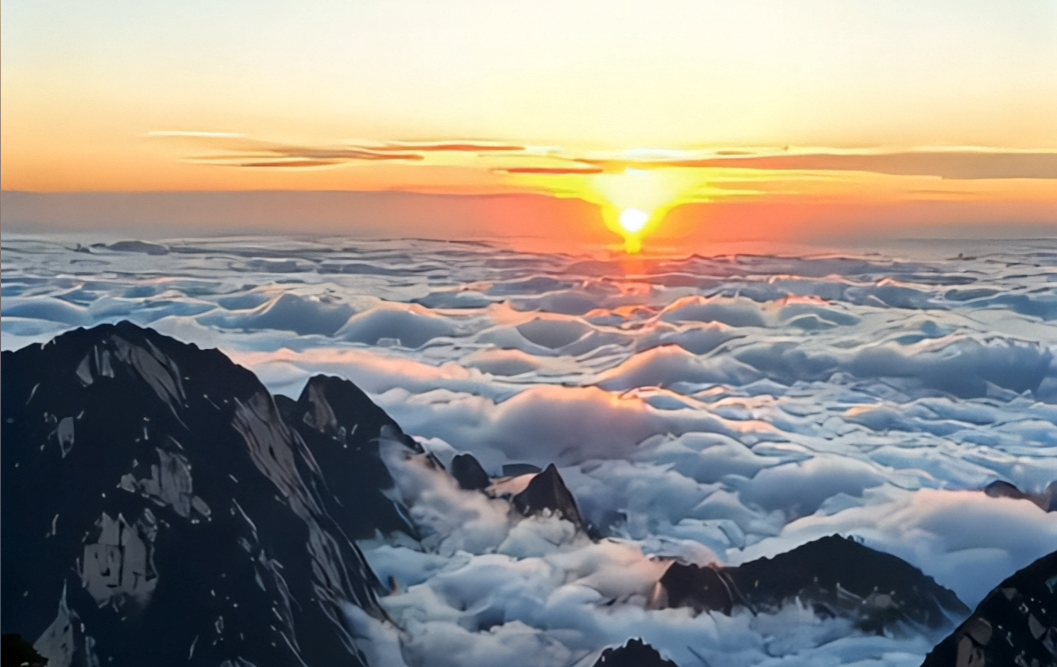
Mount Hua (West) – The Perilous West. Huashan in Shaanxi is synonymous with breathtaking precipices and sheer granite peaks. Its terrifying trails, often called "the most dangerous hike in the world," were a spiritual trial by ordeal. It is a bastion of Daoism, where hermits sought immortality in its cloud-shrouded cliffs, and temples cling miraculously to the rock face, a stunning fusion of human tenacity and natural power.
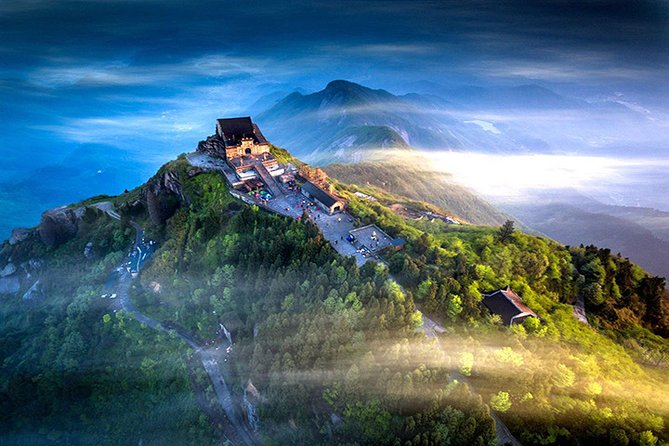
Mount Heng (South) – The Soaring South. The Hengshan in Hunan is celebrated for its serene beauty—lush bamboo groves, ancient misty forests, and the "Temple of Southern Peak," an architectural marvel that seems to grow organically from the mountain. It is a center for Chan (Zen) Buddhism, where the tranquility of nature perfectly complements the pursuit of inner peace.
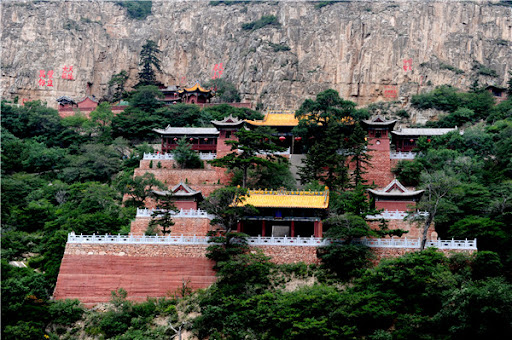
Mount Heng (North) – The Resilient North. The Hengshan in Shanxi, a stark, rugged massif guarding the northern frontier, embodies resilience. Its Hanging Temple, a complex of halls pinned to a cliff face by wooden beams, is a breathtaking feat of engineering that symbolizes the delicate, yet enduring, balance between human creation and natural force.
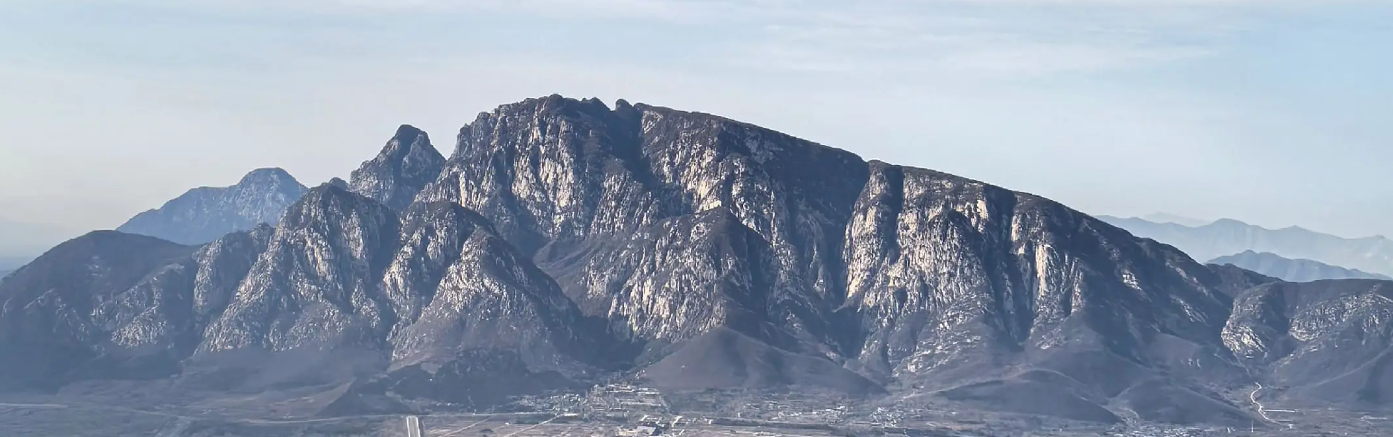
Mount Song (Center) – The Axis of the World. Songshan in Henan is the geographical and spiritual heart of China. It is home to the legendary Shaolin Temple, the birthplace of Zen Buddhism and Chinese martial arts. Here, the discipline of the body and the cultivation of the spirit are practiced in the shadow of the central peak, representing the Middle Path in Chinese philosophy.
Unlike many world heritage sites where nature and culture are separate entities, the Wuyue present them as a unified whole. They are a cultural landscape par excellence, demonstrating how a deep-seated philosophical belief can define the relationship between a people and their environment for millennia.
Today, the Wuyue are more than relics. They are a living heritage. Pilgrims still climb the ancient steps, artists still seek inspiration in their vistas, and ordinary people find a connection to something greater than themselves. They remind us that in the Chinese tradition, the greatest wisdom is not found by conquering nature, but by listening to it, respecting it, and finding one's place within its majestic order.
Related articles
-
 Heritage Grid | Yinxu, the Birthplace of Oracle Bone Script—the DNA of Modern Chinese Characters
More
-
Zhongyuan: The main root and vein of Chinese civilization
More
-
Yin Shang Culture: Yinxu, Oracle Bones and Bronze Ware
More
-
Heritage Grid | Luoyang Unearthed: Where China’s Golden Age Took Root
More
-
Heritage Grid | The Silent Cities of Mangshan: China’s Valley of Kings
More
-
Longmen Grottoes: The Peak of Chinese Stone Carving Art
More