Li Bai and Du Fu: The Twin Stars of Tang Poetry
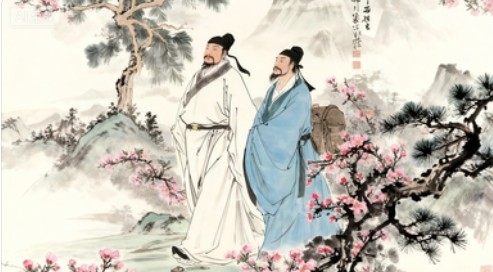
Emerging from the golden age of Chinese poetry, Li Bai and Du Fu stand as the twin pillars of the Tang literary tradition, blending lyrical brilliance with profound human insight. Flourishing during the 8th century, their works reflect the quintessence of Chinese poetic spirit—harmonizing romantic escapism with social consciousness while capturing the splendor and turmoil of the High Tang era. Their collective legacy embodies the perfect balance between transcendental imagination and grounded empathy, individualism and collective responsibility.
Poetic marvels include Li Bai’s “Drinking Alone Under the Moon,” where celestial imagery merges with earthly revelry, and Du Fu’s “Spring View,” which transforms war-torn landscapes into meditations on human resilience. Li’s verses dance with Taoist freedom and wine-induced euphoria, while Du’s stanzas resonate with Confucian compassion and historical depth. Structurally, Li’s fluidity contrasts with Du’s crafted precision—one echoing the untamable rivers and mountains he adored, the other mirroring the societal fabric he sought to mend. Their poems form a dialectical whole, celebrating both the flight of the immortal and the footsteps of the sage.
More than literary giants, Li Bai and Du Fu represent the soul of Chinese cultural identity. They remain a testament to the power of poetry to transcend time, inviting readers to wander through verses where every line whispers of Tang dynasty dreams and enduring human truths.