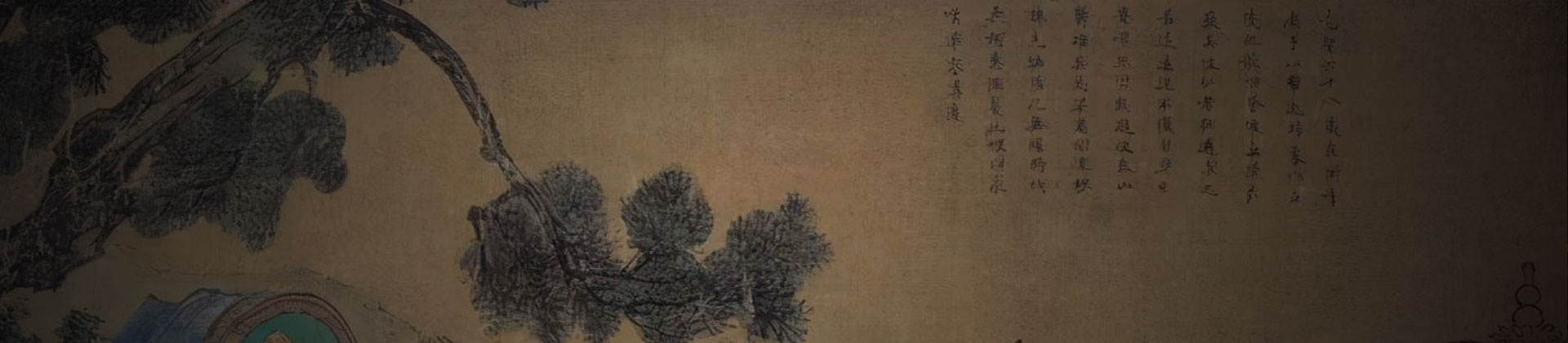
Journey to the West: A Mythological Epic of Spiritual Pilgrimage

Emerging from the cultural renaissance of the Ming Dynasty, Journey to the West stands as a monumental achievement in Chinese classical literature, blending mythical adventure with profound spiritual allegory. Composed in the 16th century during the Ming Dynasty, it reflects the syncretic nature of Chinese thought—harmonizing Buddhist philosophy with Daoist immortals and Confucian virtues while incorporating elements from folk tales and religious parables. Its narrative embodies the dynamic balance between earthly comedy and divine pursuit, rebellion and enlightenment.
Literary marvels include the rebellious Monkey King’s transformation from chaos to enlightenment, the fall and redemption of Zhu Bajie, and the steadfast pilgrimage of Tang Monk. The novel’s symbolic structure—with its eighty-one tribulations—connects physical journey with spiritual cultivation, while the contrasting personalities of the four pilgrims frame perspectives on human imperfection and moral growth. Vivid episodes like the Battle with the Red Boy and the Subjugation of the White-Bone Demon weave thrilling action with metaphysical depth, using demons as metaphors for inner obstacles. The work follows a cyclical worldview, where overcoming each challenge represents progress toward wisdom and liberation.
More than a fantasy novel, Journey to the West represents the imaginative zenith of Chinese mythological storytelling. It remains a testament to literary creativity and cultural confidence, inviting readers to embark on an allegorical pilgrimage where every demon subdued and every mile traveled whispers tales of self-conquest and the universal journey toward awakening.