Song Ci: Millennial Echoes of the Song Dynasty Literary Soul
Emerging from the cultural renaissance of the Song Dynasty, Song Ci stands as the lyrical pinnacle of classical Chinese literature, blending musical grace with profound emotional resonance. Flourishing between the 10th and 13th centuries, it reflects the refined Chinese aesthetic of harmonizing literary elegance with melodic sophistication while incorporating diverse stylistic traditions from court music to folk tunes. Its corpus embodies the ideal balance between disciplined form and expressive freedom, grandeur and intimacy.
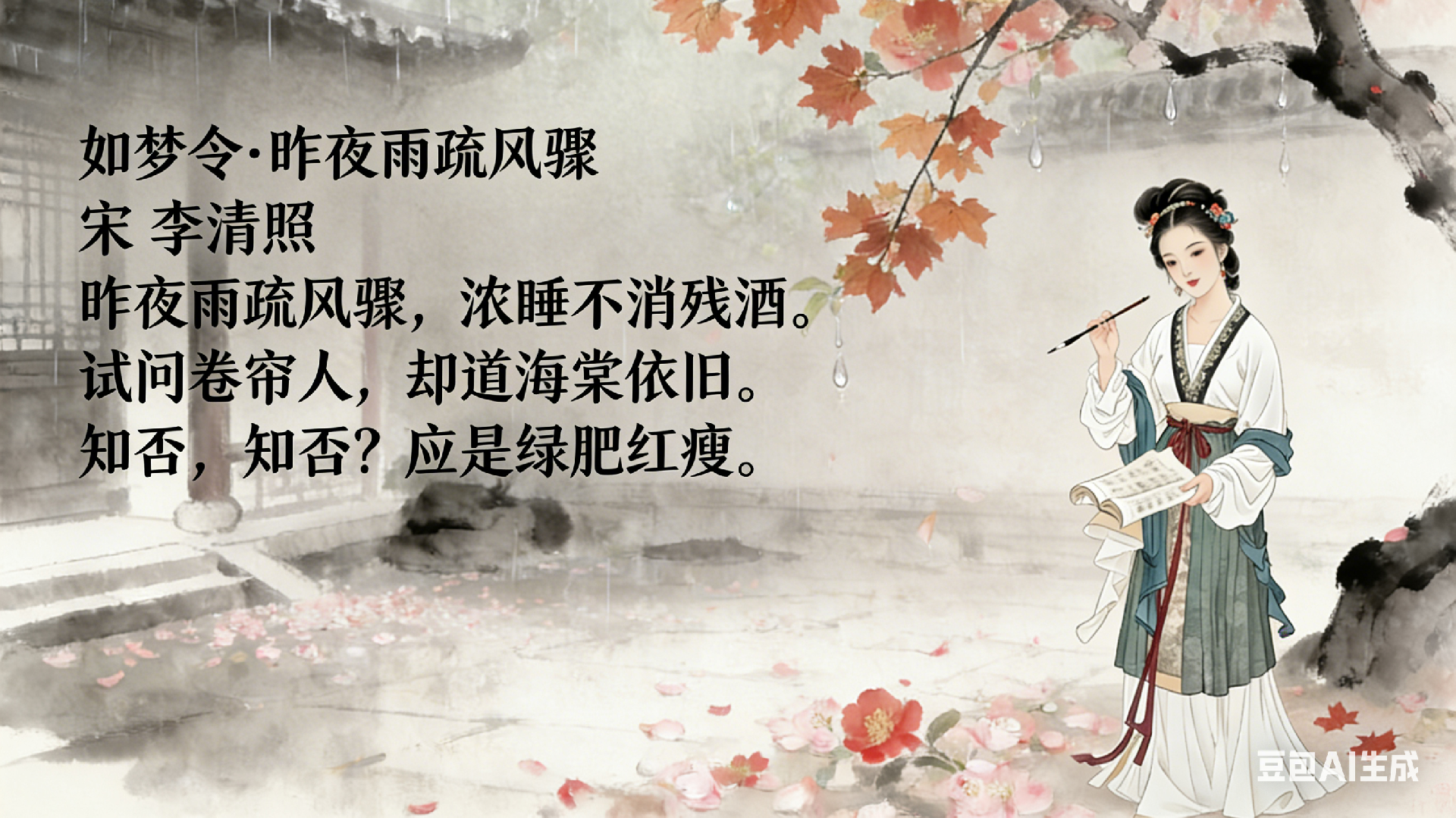
Poetic monuments include Su Shi’s “Memories of the Past at Red Cliff” where historical contemplation merges with cosmic vision, and Li Qingzhao’s “Slow, Slow Song” which transforms personal sorrow into universal melancholy. The two major schools—the heroic abandon of Xin Qiji’s frontier verses and the delicate subtlety of Liu Yong’s romantic lyrics—create complementary visions of human experience. Unlike the regulated structure of Tang poetry, Ci employs variable line lengths and tonal patterns that dance to lost musical scores, allowing each lyric to become a unique emotional landscape. These works follow an organic fusion of word and melody, where every rhythmic variation echoes the heartbeat of Song dynasty civilization.
More than classical poetry, Song Ci represents the musical soul of Chinese literary art. It remains a testament to China’s cultural sophistication and aesthetic confidence, inviting readers to wander through gardens of lyrical expression where every stanza whispers tales of love and loss, heroism and reflection—the very essence of human experience crystallized in measured syllables.