"Three Words and Two Beats": A Window into Ming Dynasty Everyday Life
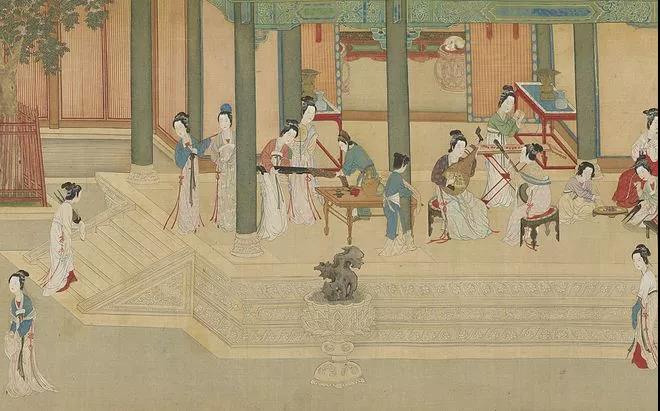
Imagine a collection of short stories that read like a mix of Canterbury Tales and Pulp Fiction, but set in 16th-century China. Three Words and Two Beats (《三言二拍》), compiled by Feng Menglong and Ling Mengchu, is exactly that—a vibrant set of vernacular tales capturing the drama, humor, and struggles of ordinary people in Ming Dynasty market towns.
These stories, written in colloquial Chinese (much like how Mark Twain used everyday American speech), explore themes like love, money, and justice. For example, one tale might feature a clever merchant outwitting a corrupt official, while another follows a poor scholar chasing his dreams in the bustling city of Suzhou. Think of them as the Chinese equivalents of Shakespearean comedies or Dickensian novels—full of colorful characters and social commentary.
Why are they special? Unlike classical poetry, these stories were meant for mass entertainment, bridging the gap between elite and common culture. They’re also a goldmine for understanding historical details: what people ate, how they traded, or why superstitions mattered. For readers curious about pre-modern China, Three Words and Two Beats is like opening a time capsule filled with gossip, grit, and human nature—universally relatable, even centuries later.