Lu Xun: The Shouting and Wandering of Modern Chinese Literature
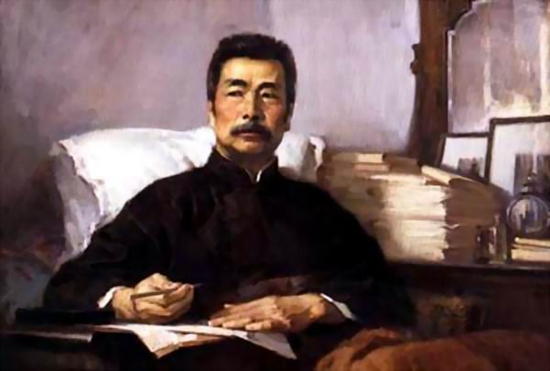
Lu Xun (1881–1936) is often called the "father of modern Chinese literature," a title that compares to how Shakespeare is seen in English literature—a foundational figure who reshaped storytelling. His works, written during a time of great social upheaval in China, are powerful critiques of tradition, ignorance, and societal injustice.
One of his most famous stories, A Madman’s Diary, is like a Chinese version of The Catcher in the Rye—it uses an unconventional narrator to expose hidden truths. In this case, the "madman" sees that Chinese society, under the weight of old customs like feudalism, was metaphorically "eating" its own people. It’s a shocking comparison, but it helped spark discussions about change.
Another well-known work, The True Story of Ah Q, reflects how people sometimes fool themselves to avoid facing harsh realities. Think of it as a Chinese parallel to Don Quixote, where the main character, Ah Q, uses self-deception to cope with failure—something many people worldwide can relate to.
Lu Xun didn’t just write to criticize; he wanted to awaken minds. His writing, often intense and thought-provoking, remains essential for understanding modern China’s journey. Like Dickens highlighting poverty in Victorian England, Lu Xun used stories to challenge the status quo. For anyone interested in Chinese culture, his works are a window into the nation’s soul during a transformative era.