
Li and Qi: Origin, Core Concepts of Song-Ming Confucianism and Its Influence
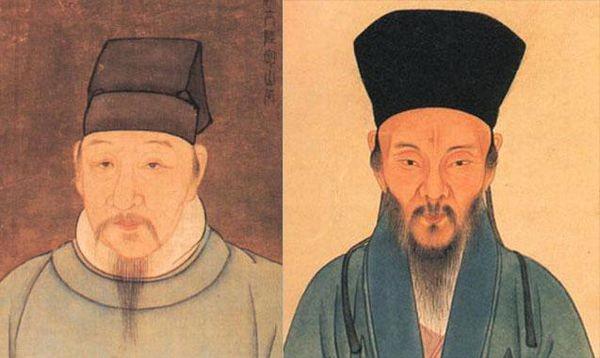
Song-Ming Confucianism (960–1644) is a key Chinese philosophy, much like how Greek philosophy shaped Western thought. Its core lies in “Li” and “Qi”—two ideas that explain the world and human life.
Origin of Song-Ming Confucianism
It grew when scholars blended traditional Confucianism with ideas from Buddhism and Daoism. At the time, China sought deeper answers to “how the world works,” similar to how European thinkers later explored science and philosophy. Thinkers like Zhu Xi wanted to make Confucianism more systematic, just as Aristotle organized Western philosophy.
Core Concepts: Li and Qi
Li: The “universal order” or “natural law”—like the rules of gravity or how seasons change. It’s invisible but guides everything, from how societies should run to how a tree grows. Imagine it as the “blueprint” for the world.
Qi: The “material energy” that makes up all things—like the air we breathe or the force in a moving river. It’s tangible, changing form (solid, liquid, gas) but always existing. Together, Li gives order to Qi: a flower’s Li (its “flower-ness”) shapes its Qi into petals and stems.
Influence on Later Times
This philosophy shaped Chinese life for centuries. It taught people to follow “natural order” (Li) in daily life—like respecting family or being honest—similar to how ethical ideas guide communities globally. It also influenced art: painters used Qi (energy) in brushstrokes, and poets wrote about Li (harmony with nature). Today, its ideas about balance (Li and Qi working together) still resonate, much like global ideas about living in harmony with the world.