Xin Ji Li: Origin, Core Concept and Representatives of Xinxue
Xinxue (the “Mind School” of Confucianism) is a key Chinese philosophy, much like how existentialism focused on individual experience in Western thought. It centers on “Xin Ji Li” (“Mind is Principle”).
Origin
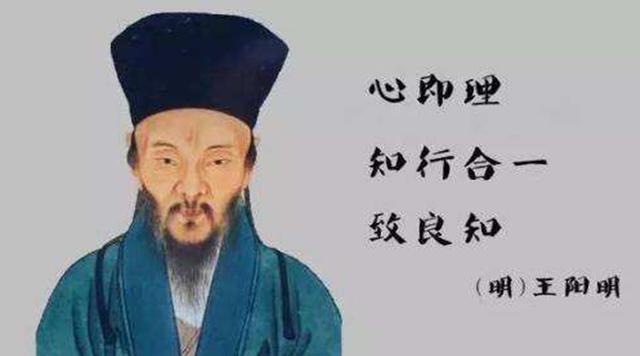
Xinxue grew in the Song-Ming dynasties, as scholar Wang Yangming reacted to rigid interpretations of Confucianism. He believed truth didn’t lie in distant books alone—similar to how Western thinkers like Rousseau emphasized inner wisdom over strict rules. It aimed to make philosophy more personal, not just for scholars.
Core Concept: Xin Ji Li
“Mind is Principle” means everyone’s mind has innate moral truth, like a built-in compass. You don’t need to search far for “right”—just follow your sincere heart, much like how people trust their conscience globally. For example, knowing kindness is good comes from your mind, not just learning. It also stressed “acting on knowledge”: understanding good means doing good, like how ethics demand action, not just thought.
Representative: Wang Yangming
Wang (1472–1529) is Xinxue’s soul. He taught through life—leading armies and helping people—showing “mind as principle” works in real life. His ideas spread like influential Western philosophies, shaping how Chinese people think about morality and self-trust.