Chinese Philosophy’s Influence on Art and Its Manifestations

Chinese art is deeply shaped by Confucianism, Daoism, and Buddhism—much like Greek philosophy underpins Western art. These Three Teachings infuse art with spiritual and ethical meaning, blending beauty with core beliefs.
Philosophical Pillars
Confucianism: Emphasizes harmony and virtue, guiding art to reflect social order—similar to Renaissance art conveying Christian ethics.
Daoism: Advocates "following nature" and emptiness, inspiring spontaneity over rigid detail (echoing Western minimalism).
Buddhism: Focuses on tranquility and enlightenment, adding spiritual depth like global religious art.
Artistic Expressions
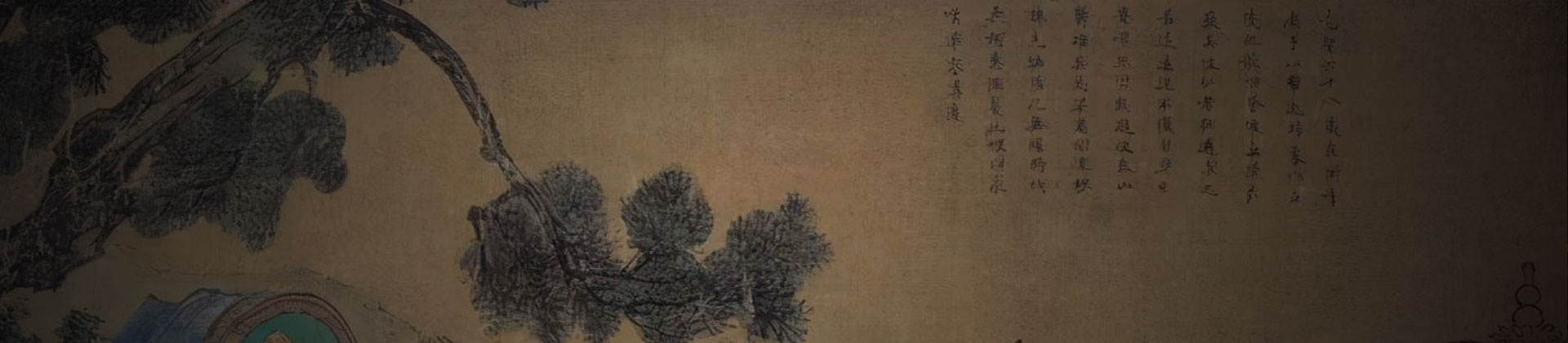
Painting: Daoist "harmony with nature" shines in shan shui (landscape) paintings—vast scenery with tiny humans, emphasizing humility before the cosmos. Confucian works highlight scholars/families to celebrate virtue; Buddhist art uses soft colors for serene enlightenment scenes.
Calligraphy: Daoist spontaneity drives free-flowing brushstrokes (like jazz improvisation), while Confucianism values balanced characters as a mark of moral integrity.
Crafts: Daoist simplicity defines porcelain’s subtle glazes; Confucian symmetry shapes ritual bronzes; Buddhist lotus motifs adorn sculptures, symbolizing purity.
Chinese art, rooted in philosophy, is more than aesthetics—it’s a reflection of beliefs, resonating with universal human values across cultures.