The Philosophy of Jianghu Culture: Martial Spirit and Folk Ethics
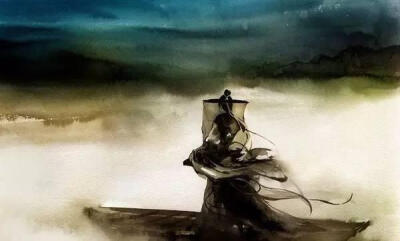
Jianghu (江湖), literally "rivers and lakes," refers to a unique Chinese cultural space beyond officialdom—a world of wandering warriors, wandering healers, and wandering souls. Rooted in ancient tales but thriving in modern imagination, it blends martial arts (wuxia) with deep ethical codes, much like the Western knight-errant tradition but with distinct Eastern flavors.
At its heart is xia (侠), the chivalrous spirit. Unlike mercenaries, a xia fights for justice, not profit—like Robin Hood, but guided by Confucian loyalty and Daoist harmony. Think of The Legend of the Condor Heroes: heroes duel not just for power but to uphold righteousness. Their code resembles medieval chivalry but emphasizes collective welfare over individual glory.
Folk ethics in Jianghu mirror societal values. "No killing without cause" mirrors the Golden Rule, while master-disciple bonds reflect family-like loyalty. Even rival sects often avoid harming innocents—a bit like how global sports rivals compete fiercely but respect fair play.
Today, Jianghu lives in movies (Crouching Tiger, Hidden Dragon) and games, yet its core remains: a world where courage, justice, and brotherhood transcend laws. It’s a window into how Chinese culture blends philosophy with storytelling—a timeless dance of blades and principles.