Bridging East and West: A Dialogue Between Chinese and Western Philosophy
Chinese philosophy offers a unique lens to understand life, distinct from Western traditions. While Western thought often emphasizes logic, individualism, and debate (like Socrates questioning truths), Chinese philosophy focuses on harmony, balance, and practical wisdom.
Take Confucianism, for example. It teaches that societal harmony arises from respectful relationships—like a well-conducted orchestra where each instrument plays its part for the greater melody. This contrasts with Western individualism, where personal achievement is often highlighted. Similarly, Daoism (Taoism) compares life to flowing water: adaptable and effortless, much like the Western idea of "going with the tide," but rooted in deeper spiritual balance. The Dao De Jing suggests that forcing outcomes is like paddling upstream—unnatural and tiring.
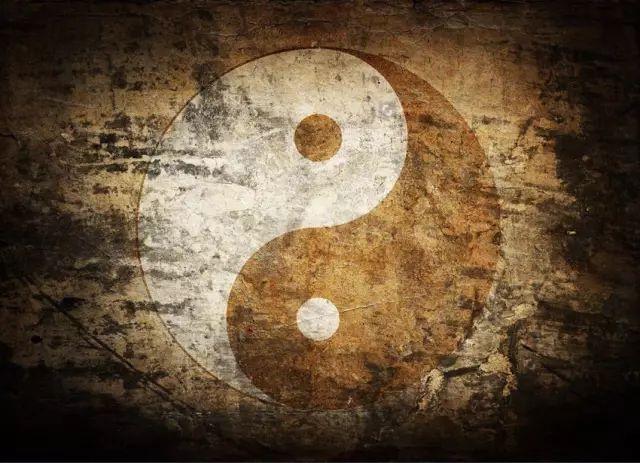
Even yin-yang, the symbol of opposing yet complementary forces (light/dark, action/rest), mirrors the Western concept of balance but with a dynamic twist. Unlike rigid binaries, yin and yang blend fluidly, like breathing in and out.
By comparing these ideas, we see that both traditions seek wisdom—just through different paths. Chinese philosophy invites us to consider how interconnectedness and adaptability shape a meaningful life, offering a refreshing perspective alongside Western rationalism. Understanding these parallels fosters global dialogue, much like learning a new language to appreciate diverse worldviews.