The Art of Strategy: Insights from Guiguzi in Diplomatic Negotiations
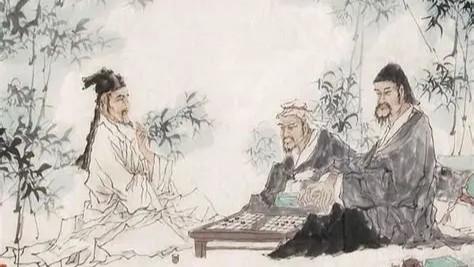
In ancient China, the School of Diplomacy (纵横家) emerged as masters of persuasion and strategy, with Guiguzi (鬼谷子), a mysterious philosopher, as their foundational thinker. His teachings, though written over 2,000 years ago, remain strikingly relevant—especially in diplomacy and negotiation, much like modern game theory.
Guiguzi emphasized flexibility, psychological insight, and tactical communication. For example, he taught that successful negotiators must adapt to their counterparts’ needs, much like a skilled chess player anticipates moves. One key concept is "合纵连横" (Vertical and Horizontal Alliances)—a strategy where smaller states form shifting coalitions to balance power, akin to modern diplomatic balancing acts (e.g., countries aligning with different trade blocs based on shifting interests).
A practical example? Imagine negotiating a business deal where one party prioritizes speed while the other values cost. A Guiguzi-inspired approach would involve identifying unspoken priorities (like long-term reputation) and crafting a solution that satisfies both—like offering a faster but slightly pricier option with added prestige.
His ideas also parallel Western concepts like win-win diplomacy, but with deeper roots in Taoist adaptability. By studying Guiguzi, one gains not just historical wisdom but tools for navigating complex human interactions—whether in international relations or everyday negotiations.