The Changxin Palace Lamp
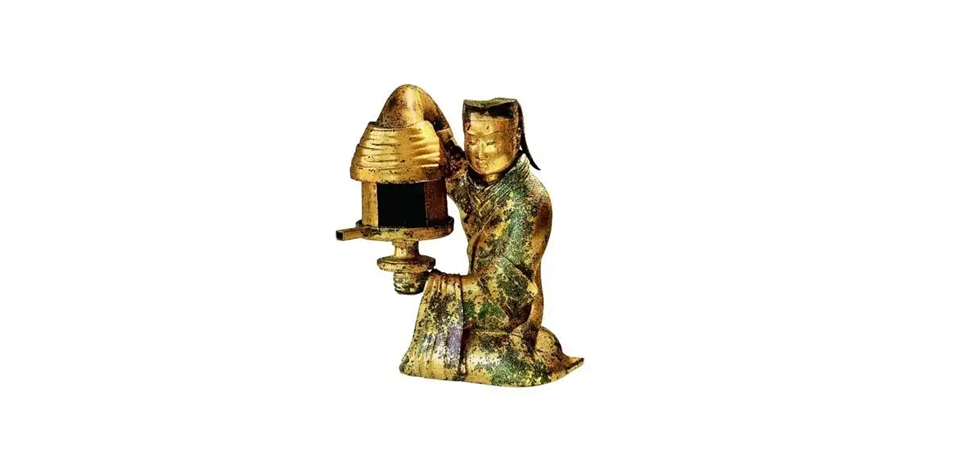
The Changxin Palace Lamp is a masterpiece of ancient Chinese craftsmanship that continues to captivate audiences around the world. This remarkable artifact, dating back to the Western Han Dynasty (206 BCE – 25 CE), is not only a functional object but also a testament to the advanced technological and artistic achievements of its time.
A Symbol of Elegance and Functionality
The Changxin Palace Lamp is made of bronze and features a stunning gold plating that adds to its aesthetic appeal. Standing at approximately 48 centimeters tall, the lamp is designed in the form of a kneeling palace maid holding a lamp with both hands. This unique design not only serves a practical purpose but also showcases the artistic sensibilities of the Han Dynasty. The lamp's structure is ingeniously crafted to direct the smoke from the burning oil through the maid's sleeve and into her hollow body, preventing soot from accumulating in the room. This innovative feature highlights the ancient Chinese emphasis on both functionality and environmental cleanliness.
Historical Significance
The lamp is believed to have been used by the mother of Emperor Jing of Han, Empress Dowager Dou. Its discovery in the tomb of Dou Wan in Mancheng, Hebei Province, in 1968, has provided valuable insights into the daily life and cultural practices of the Han Dynasty elite. The lamp's intricate design and high-quality craftsmanship suggest that it was a prized possession, reflecting the social status and refined taste of its owner.
Technological Marvel
The Changxin Palace Lamp is a prime example of the advanced metallurgical techniques of the Han Dynasty. The lamp is composed of several detachable parts, including the base, the lamp holder, and the shade, which can be easily assembled and disassembled. This modular design not only facilitated cleaning and maintenance but also allowed for adjustments in the direction and intensity of the light. The lamp's hollow body also served as a reservoir for water, which helped dissolve the soot produced by the burning oil, further enhancing its environmental efficiency.