Why Stone Lions Guard Chinese Gates
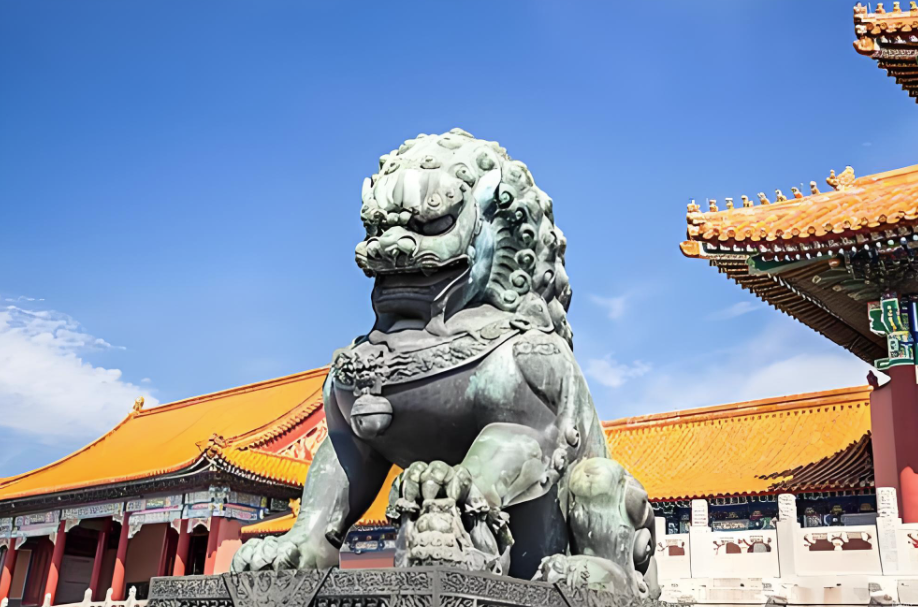
If you’ve ever wandered around China or even flipped through pictures of Chinese architecture, you might have noticed those cool stone lions chilling at the entrances of buildings. They’re not just random decorations—they’ve got a seriously deep history and some pretty neat symbolism. Let’s zip through the story of stone lions and why they’ve been such a big deal in China for centuries.
So, how did stone lions get to China? Well, it all started back in the Han Dynasty (206 B.C.-A.D. 220) when Zhang Qian opened up trade routes to the Western Regions. Lions came to China as tribute and quickly became a symbol of power and protection. The ancient Chinese thought these majestic beasts could ward off evil spirits, so they started carving stone lions to guard important places.
Fast forward to the Tang Dynasty (618-907), and stone lions became more standardized. They were placed at the entrances of palaces and imperial tombs, looking super regal and powerful. By the Song Dynasty (960-1279), stone lions were everywhere—temples, gardens, and even regular homes. Sculptors started paying more attention to details, making the lions look even more impressive.
In the Ming and Qing dynasties (1368-1911), stone lions went mainstream. They were a common sight at the entrances of homes and public buildings. People believed that having stone lions at your door meant you were wealthy and important. The craftsmanship also reached new heights, with incredibly detailed and lifelike sculptures.
Even today, stone lions are a big part of Chinese culture. You’ll see them in historical sites and modern buildings. They’re a symbol of tradition and a connection to the past. Plus, they just look awesome!