China’s Ancient Health Practices
Health Care and Preservation
Health care and preservation techniques with breathing exercises and massage manipulations combined with limb exercises isan important component of ancient Chinese medical sports. As early as the Xia and Shang dynasties over 3,000 years ago, people developed various health preservation methods to pursue longevity and well-being. Through centuries of historical evolution, various health preservation forms—including "daoyin" (guided exercises), "xingqi" (breath circulation), and therapeutic massage movements—gradually developed into a distinctive and integral part of the unique Chinese sports culture.
Health and Wellness
Since the Xia dynasty (2100-2600BC) and Shang dynasty (2600-2100BC), our ancestors have created a comprehensive health preservation system—a unique mind-body practice integrating physical exercise, therapeutic massage, and breath regulation (qigong)—to harmonize body and mind.
Xingqi Jade Inscription and Its Interpretation
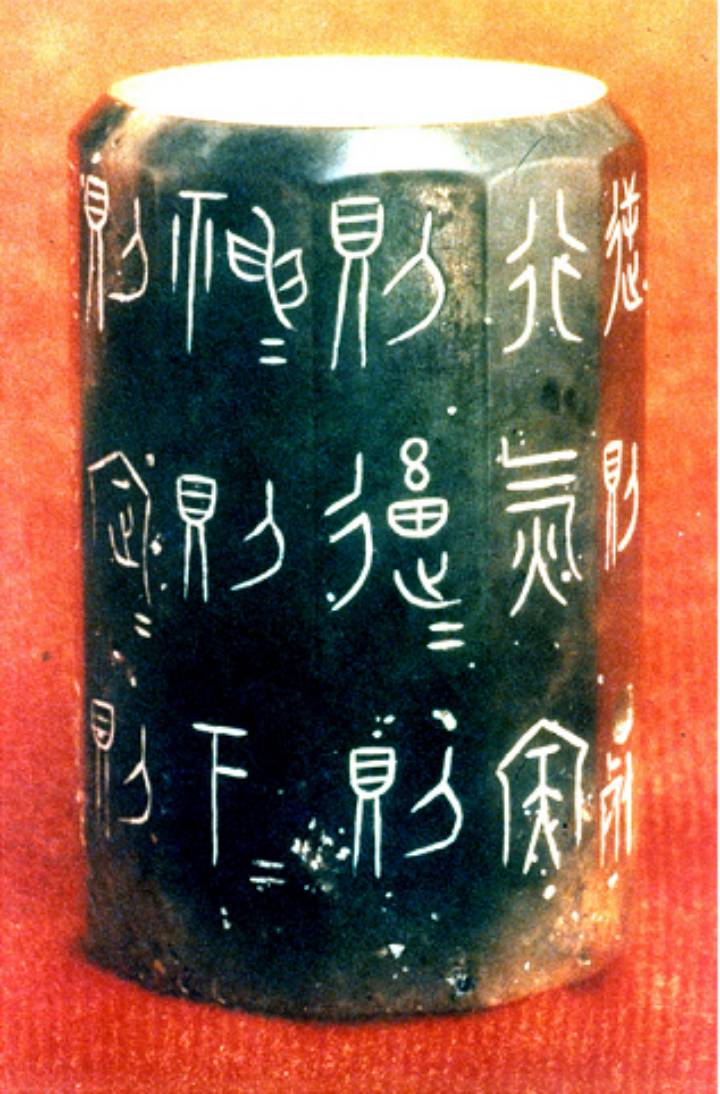
This artifact, housed in the Tianjin History Museum, and is presumed to be a cultural relic from the Warring States Period (475BC-221BC). Crafted as a dodecagonal (12-sided) pillar, it bears a 45-character seal-script inscription titled "Xingqi" (Breath Circulation), representing the earliest and most specificphysical evidence of ancient Chinese breath-regulation practices for health preservation. The inscriptiondescribes respiratory techniques, making it the oldest known artifact inscribed with health-cultivation content, holding significant historical value.
Huangdi Neijing (Yellow Emperor's Inner Canon)
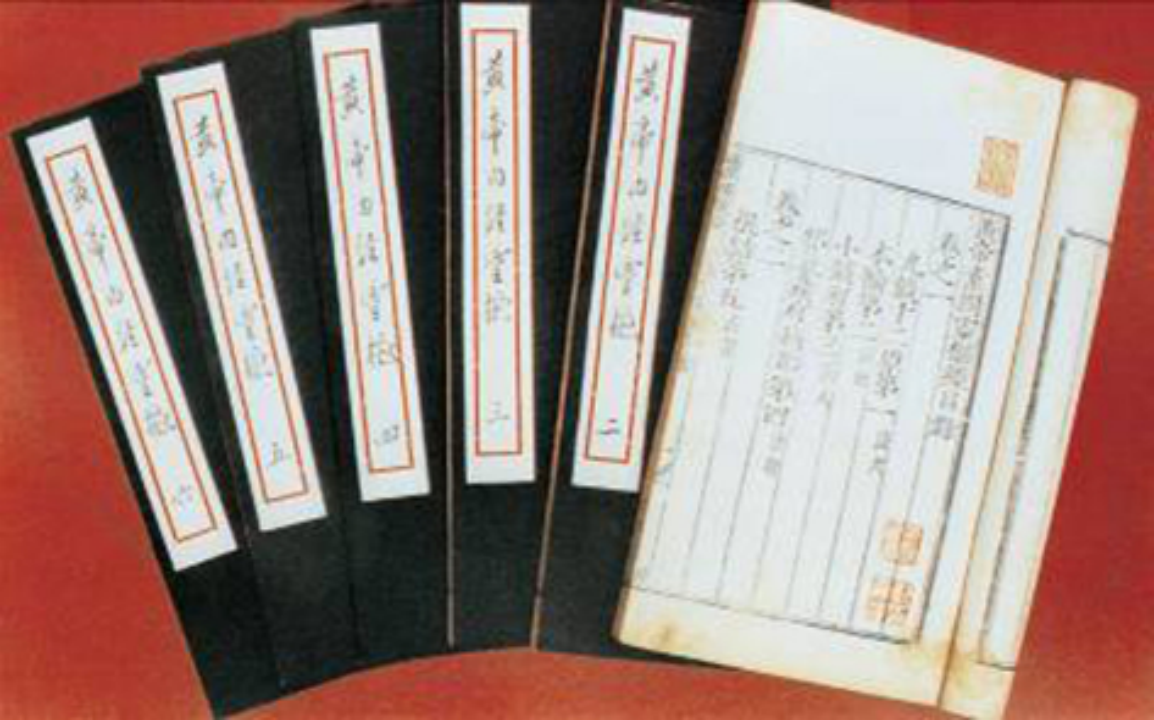
This edition was engraved by Tong Jingye, collated by Gu Dingmao, and published by Gu Congde during the Ming Dynasty. It is now keptin the Library of the China Academy of Chinese Medical Sciences. Huangdi Neijing is the earliest existing medical classic in China. It was written during the Warring States period (475-221 BC). It systematically synthesizes the medical theories and health cultivation philosophies of pre-Qin physicians and longevity practitioners. As the foundational text of Traditional Chinese Medicine, this work documents comprehensive medical theories from the Warring States era.
Chen Tuan's Twelve-month Sitting Exercises

Chen Tuan (871-989), a renowned Taoist scholar of the Northern Song Dynasty honored with the title Master Xiyi, created the Twelve-month Sitting Exercises later documented in Gao Lian's Ming Dynasty work Eight Treatises on Living with Vitality. This seated daoyin (guided exercise) system comprises twenty-four postures (performed right-to-left), featuring seasonally-regulated movements tailored to monthly climatic variations, establishing a unique temporal health preservation method.
Illustrations of Breath Regulation and External Elixir Practice


Housed in the Chinese Medical History Museum, this set of practice diagrams dates back to the Qing Dynasty (1644-1911) and consists of three complete series.
Portions of this article were adapted from research materials originally published on China Sports Museum.