Chinese Chess: A Millennium of Strategy Across the Chu-Han Divide
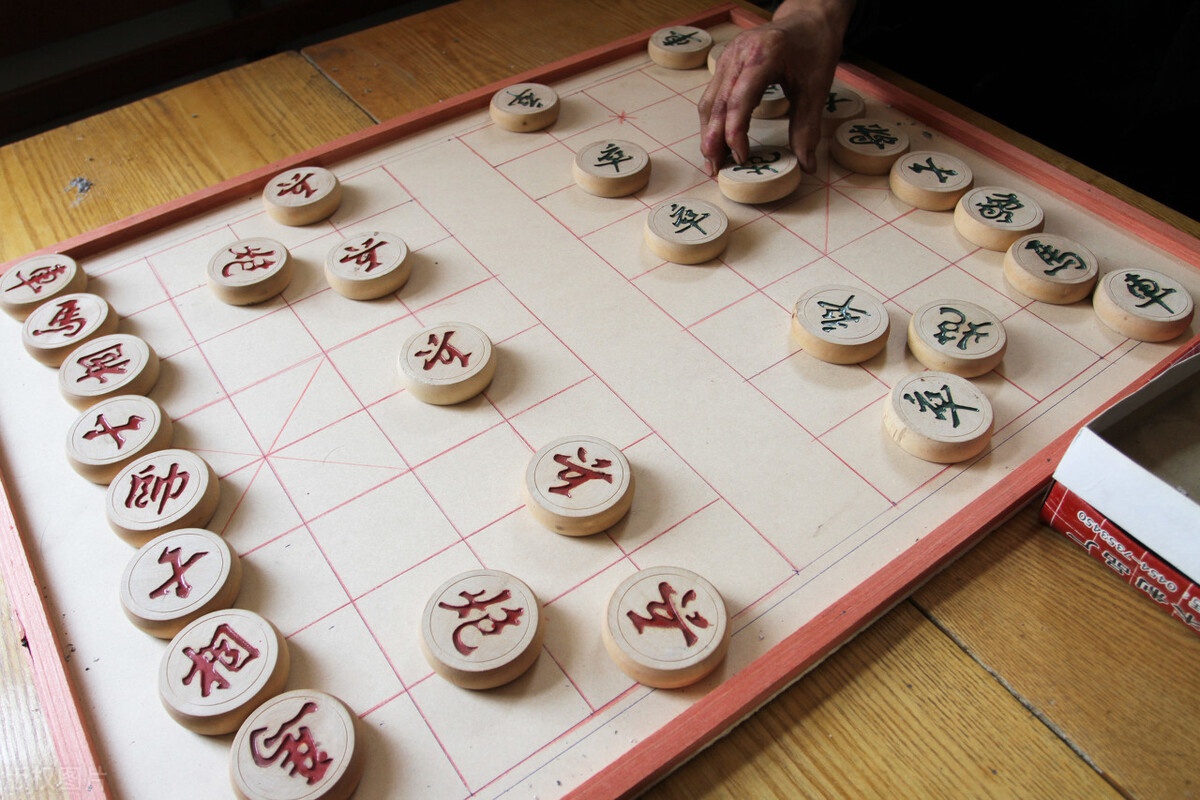
Chinese chess (Xiangqi) is a battlefield of wits played on a board divided by the Chu River and Han Border — a symbolic reference to China’s ancient power struggle between two rival states (206–202 BCE). Imagine it as a strategic chess match frozen in time, where each piece represents historical roles: the general (like a king but confined to a palace), advisors (similar to bishops but restricted to their sovereign’s court), and chariots (akin to rooks) that charge straight down lines.
Unlike Western chess, Xiangqi emphasizes indirect confrontation. Elephants (bishops with a twist) can’t cross the river, mirroring how terrain limits movement in real warfare. Pawns, once they cross the central "river," gain new powers, much like soldiers adapting to new fronts. The game’s core is about outmaneuvering your opponent without direct clash — a nod to ancient generals who prioritized cunning over brute force.
Globally, Xiangqi shares DNA with chess but reflects China’s cultural priorities: hierarchy (generals command from behind lines), balance (each piece has defined limits), and patience (games often unfold over 50+ moves). Played in parks and clubs worldwide, it’s a gateway to understanding how strategy, history, and philosophy intertwine in Chinese thought. Try placing a red chariot diagonally — you’ll quickly grasp its rules, but mastering its mind games takes lifetimes.