Mahjong: More Than a Game, It’s a Social Culture
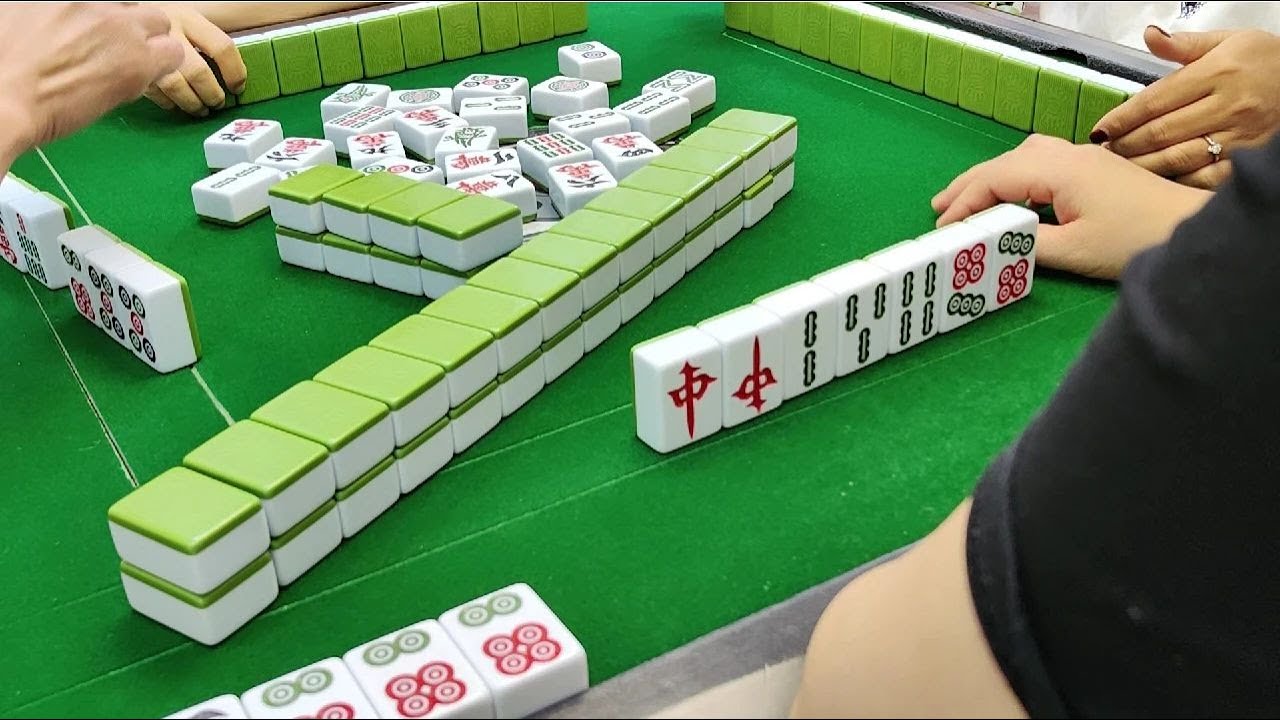
Mahjong is often seen as a tile-based game, but for many Chinese people, it’s a deeply social activity that brings families and friends together—much like board game nights in Western cultures, but with a stronger communal spirit. The game involves strategy, luck, and quick thinking, similar to poker or rummy, but its cultural significance goes far beyond entertainment.
In China, playing mahjong is a way to bond across generations. Grandparents might teach their grandchildren the rules over tea, just as families in other countries might share stories while playing Monopoly or Scrabble. In parks, community centers, or even at home, you’ll often find groups gathered around a mahjong table, chatting, laughing, and enjoying snacks. The clattering of tiles creates a rhythm of togetherness.
What makes mahjong unique is how it blends competition with camaraderie. Players may strategize to win, but the real joy lies in the shared experience. Like Sunday roasts or coffee meetups in other cultures, mahjong sessions are about connection. Even in modern times, where digital games are popular, many still prefer the tactile pleasure of handling the tiles and the face-to-face interaction.
For those curious about Chinese culture, experiencing a mahjong game offers a glimpse into how tradition and social life intertwine—proving that sometimes, the most meaningful moments happen over a simple game.