Musical Fusion on the Silk Road: Foreign Instruments and Styles
The Silk Road was not only a trade route for silk and spices, but also a highway for music. Along this ancient network linking China with Central Asia, Persia, India and beyond, musicians met, exchanged ideas, and blended sounds in surprising ways.
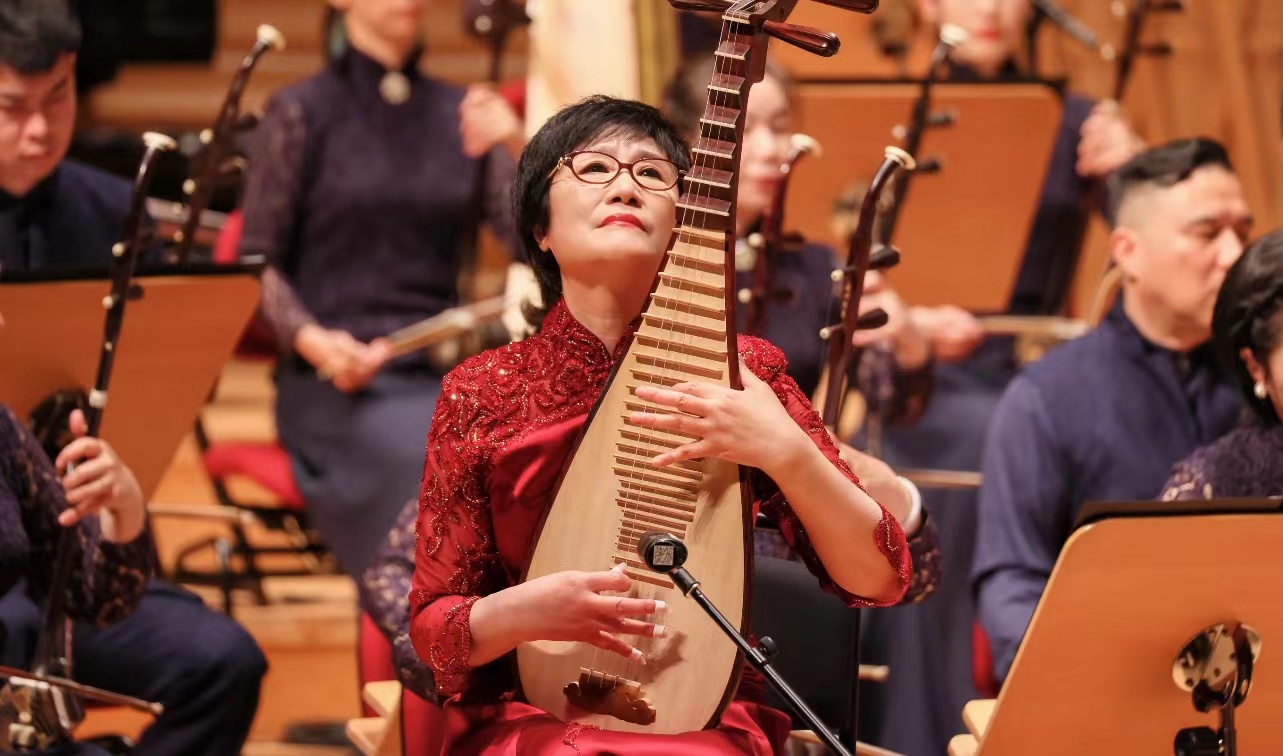
Imagine a Chinese pipa player jamming with a Persian oud performer—this kind of cross-cultural collaboration was real. The pipa, a pear-shaped lute with four strings, absorbed playing techniques from Central Asian lutes similar to the guitar’s ancestors. Meanwhile, Persian-style scales and rhythms entered Chinese court and folk music, much like how jazz borrowed from blues and classical traditions worldwide.
Instruments such as the konghou (an early harp) show Indian influence, while drums and flutes from the steppes added energetic beats heard in modern Chinese opera. These blends are like a global playlist where each region contributed its own “track.”
For those new to Chinese culture, the Silk Road’s musical story shows how cultures can harmonize, creating something richer together than alone.