
The Enduring Harmony: Qin Songs and Poetic Chanting in Chinese Culture
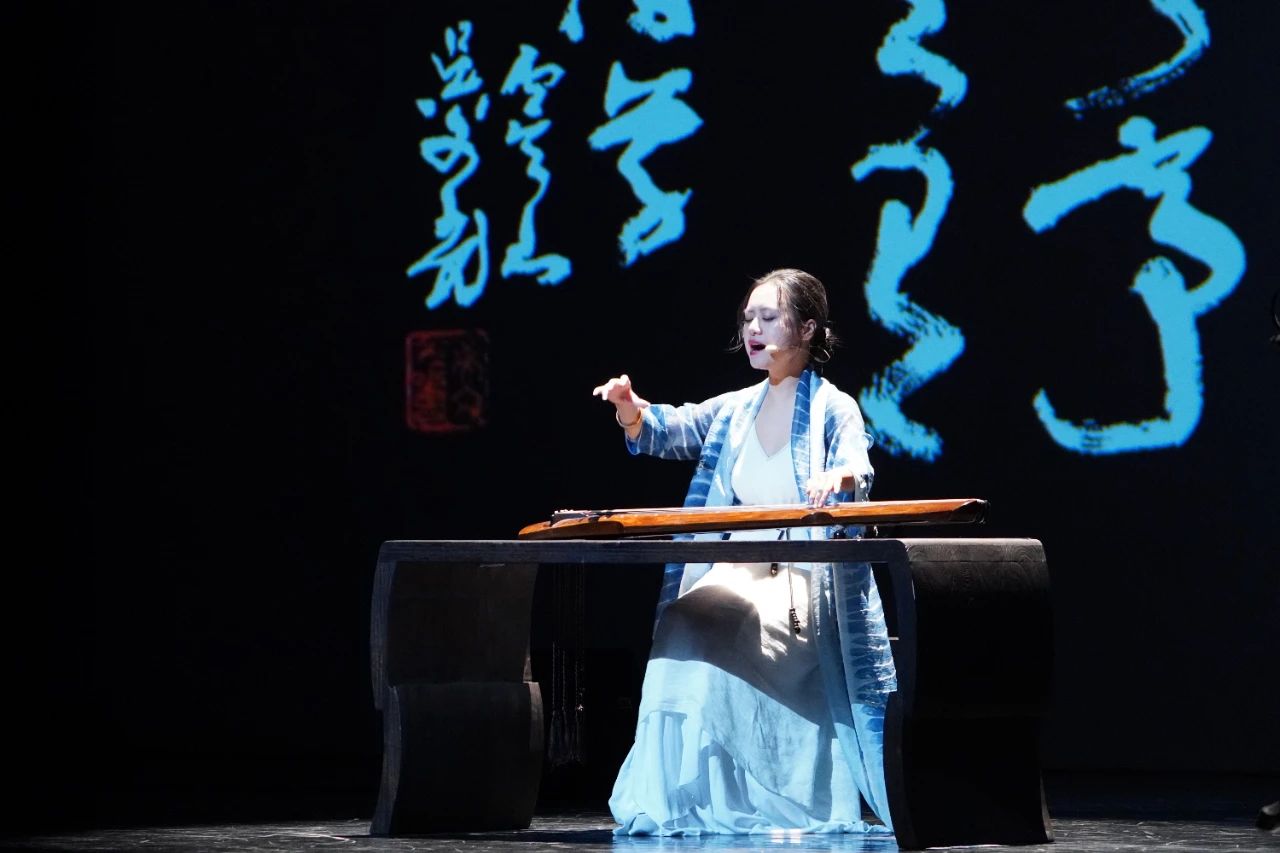
Imagine a serene evening where a lone musician plucks a seven-stringed qin (a zither-like instrument) while softly singing ancient verses—a scene that captures the essence of qin ge (琴歌, qin songs) and poetic chanting, a tradition as old as Chinese civilization itself. These art forms blend music and literature, much like how Western classical composers set poems to melodies (think Schubert’s Lieder), but with roots stretching back over 2,000 years.
In ancient China, scholars like Confucius would chant poetry to the qin’s gentle tones, believing it cultivated both moral character and emotional depth. For example, the poem "Plucking the Reed" (《蒹葭》), sung with a haunting melody, echoes themes of longing—similar to how English ballads like "Greensleeves" convey yearning through music. Unlike Western opera’s dramatic flair, Chinese poetic chanting prioritizes subtlety, where a slight pause or pitch shift can convey layers of meaning, with centuries of Confucian and Daoist philosophy woven in.
Today, these traditions survive in conservatories and cultural festivals, offering a window into China’s soul. Just as Shakespeare’s sonnets are cherished for their linguistic beauty, qin ge and chanting are treasured for their fusion of sound, rhythm, and wisdom—a timeless dialogue between art and humanity.