The Three Carvings of Chinese Architecture: Brick, Wood, and Stone
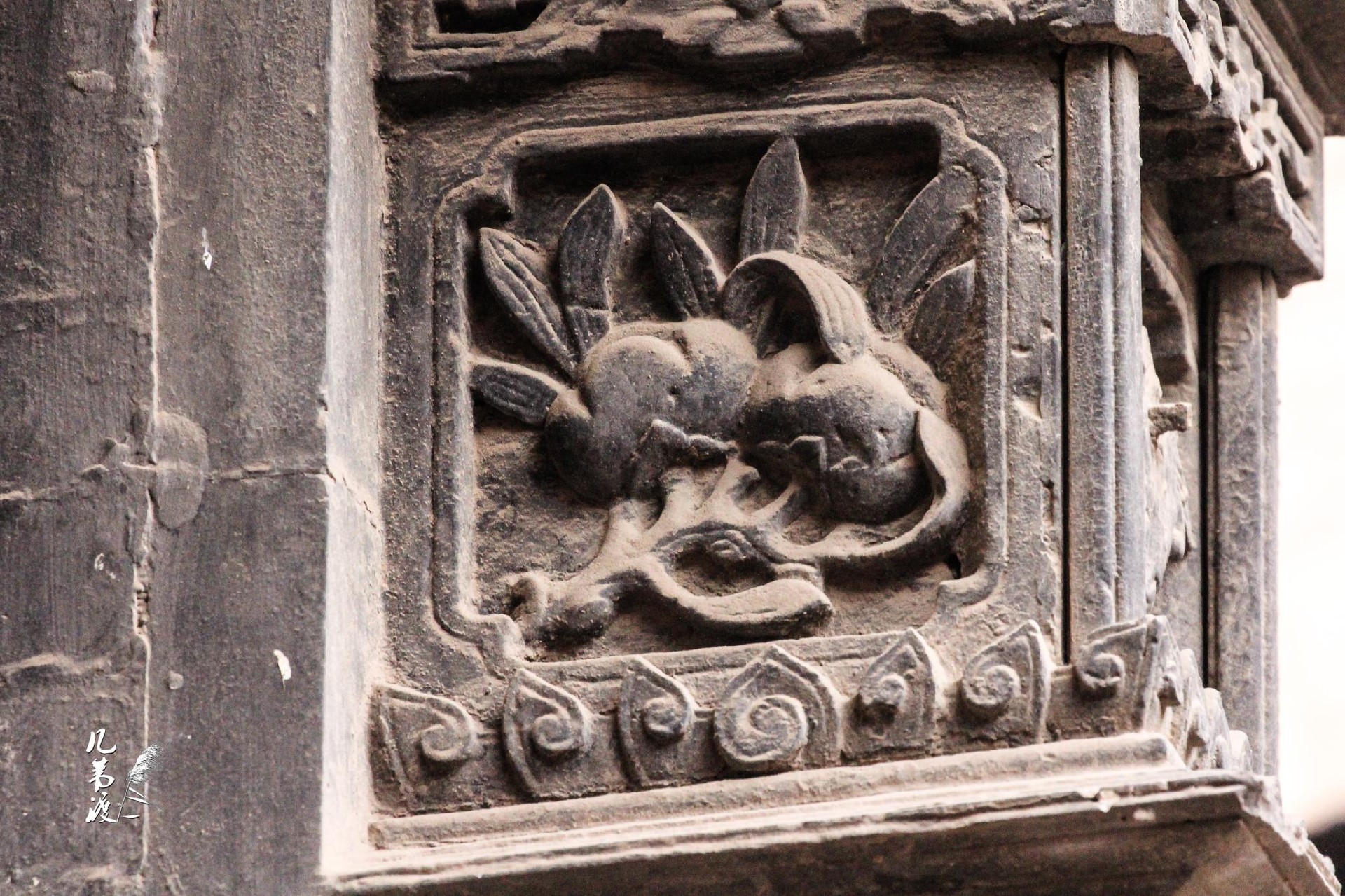
In traditional Chinese architecture, decorative carvings are more than just ornamentation—they tell stories, symbolize blessings, and showcase craftsmanship. Among the most celebrated are the Three Carvings (砖雕, 木雕, 石雕), each carved from a different material but united by their artistry.
Brick carving (砖雕) adorns walls, archways, and roofs, often depicting mythical creatures like dragons (symbols of power) or peonies (representing prosperity). Imagine the intricate facades of European cathedrals, but with motifs rooted in Chinese folklore. For example, the Huizhou region’s brick carvings feature layered scenes from operas or historical tales.
Wood carving (木雕) brings interiors to life, with delicate designs on beams, doors, and furniture. Like the baroque woodwork in palaces, but often with nature-inspired themes—think plum blossoms (endurance) or bats (good fortune). A classic example is the carved lattice windows in Suzhou gardens, blending function and art.
Stone carving (石雕) stands the test of time, seen in courtyard gates, bridges, or memorial stelae. Comparable to Greek friezes, but with Chinese symbols: lions guard entrances for protection, while cloud patterns signify harmony. The Forbidden City’s marble railings are a majestic example.
Together, these crafts reflect China’s cultural language—where beauty meets meaning, much like how Gothic spires or Islamic geometric patterns convey deeper values. They’re not just decorations but a dialogue between history and craftsmanship.