Underground Palaces: Ancient Chinese Tomb Architecture
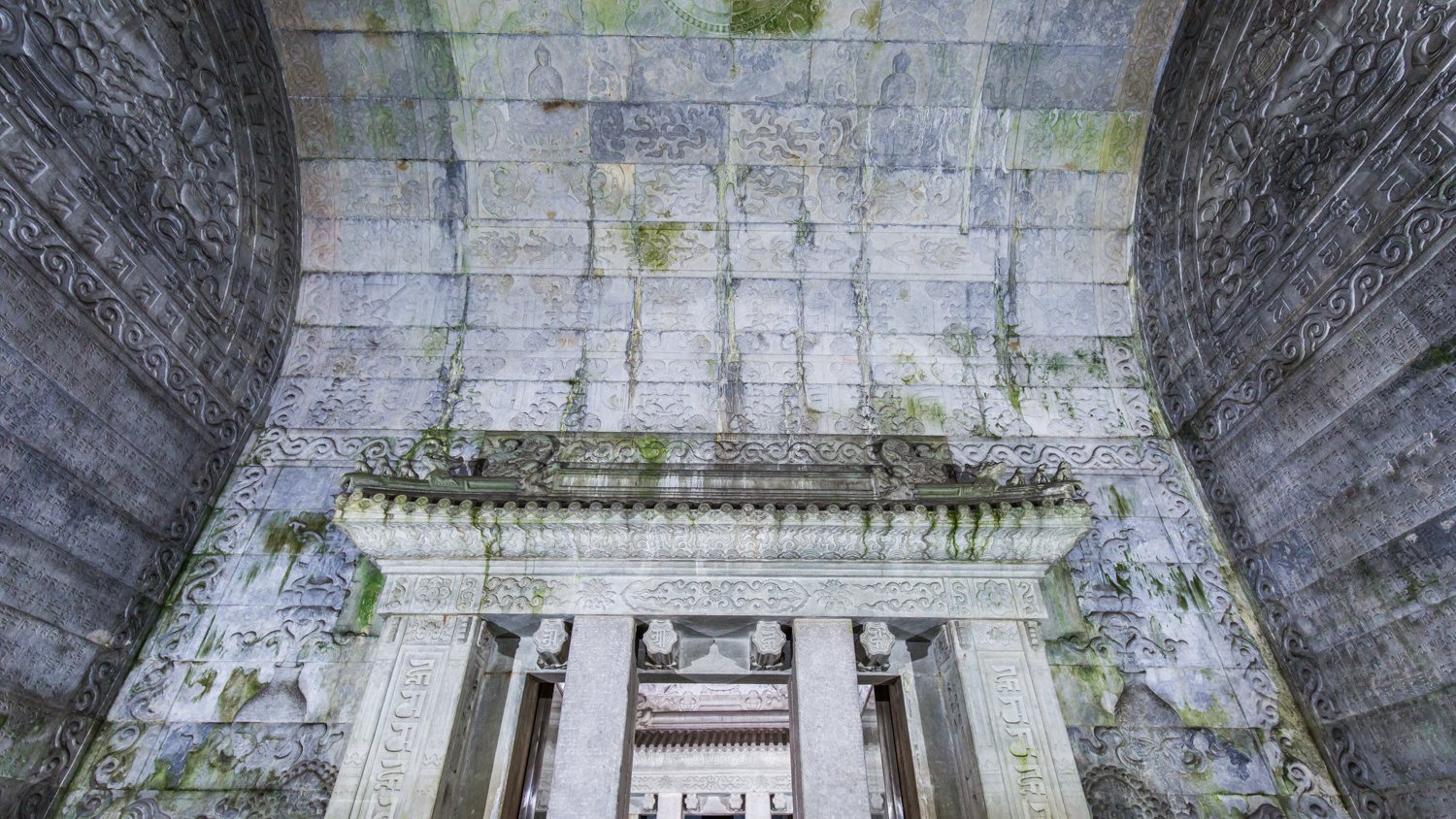
Imagine walking into a grand underground palace, complete with stone chambers, intricate carvings, and treasures fit for royalty—this was the vision behind ancient Chinese imperial tombs. Much like Egypt’s pyramids or the catacombs of Rome, these subterranean structures were designed to honor the dead and ensure their comfort in the afterlife.
The most famous example is the Mausoleum of the First Qin Emperor (Qin Shi Huang), guarded by the Terracotta Army. Like a time capsule, this site reveals how emperors prepared for eternity, burying clay soldiers, horses, and even miniature palaces. Similarly, the Ming Tombs near Beijing feature elaborate underground chambers carved into mountainsides, reflecting Confucian ideals of harmony with nature.
These tombs weren’t just graves—they were symbolic worlds. Just as European royalty built grand castles, Chinese emperors constructed underground realms mirroring their earthly palaces. The use of feng shui (aligning tombs with natural energy flows) parallels how ancient Greeks positioned temples to honor the gods.
For visitors today, exploring these sites is like stepping into history’s backstage—a chance to see how China’s rulers envisioned immortality, blending art, spirituality, and imperial power. A fascinating glimpse into a civilization that turned death into an eternal masterpiece.