Inside the Heart of the Forbidden City: The Three Great Halls of Imperial Chin
At the very heart of the Forbidden City in Beijing stand three magnificent halls. They are the most important buildings in the palace complex and form the architectural core of the Forbidden City.
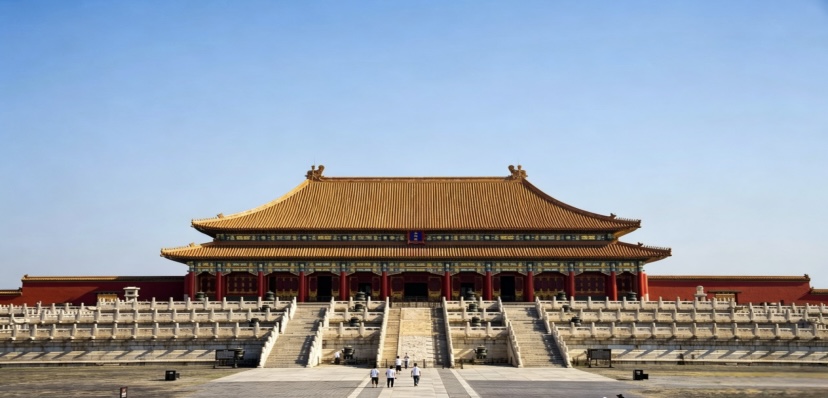
The Hall of Supreme Harmony is the southernmost of the three great halls in the Outer Court. It is the largest hall in the Forbidden City. It is also the largest surviving ancient wooden building in China, and it was once the tallest building in Beijing during the Ming and Qing dynasties. It is rightly regarded as China's foremost palace hall. Major ceremonies, such as the emperor’s enthronement and the appointment of the empress, were held here. As a symbol of imperial power, the Hall of Supreme Harmony was deliberately designed to look grand, unique and different from ordinary buildings.
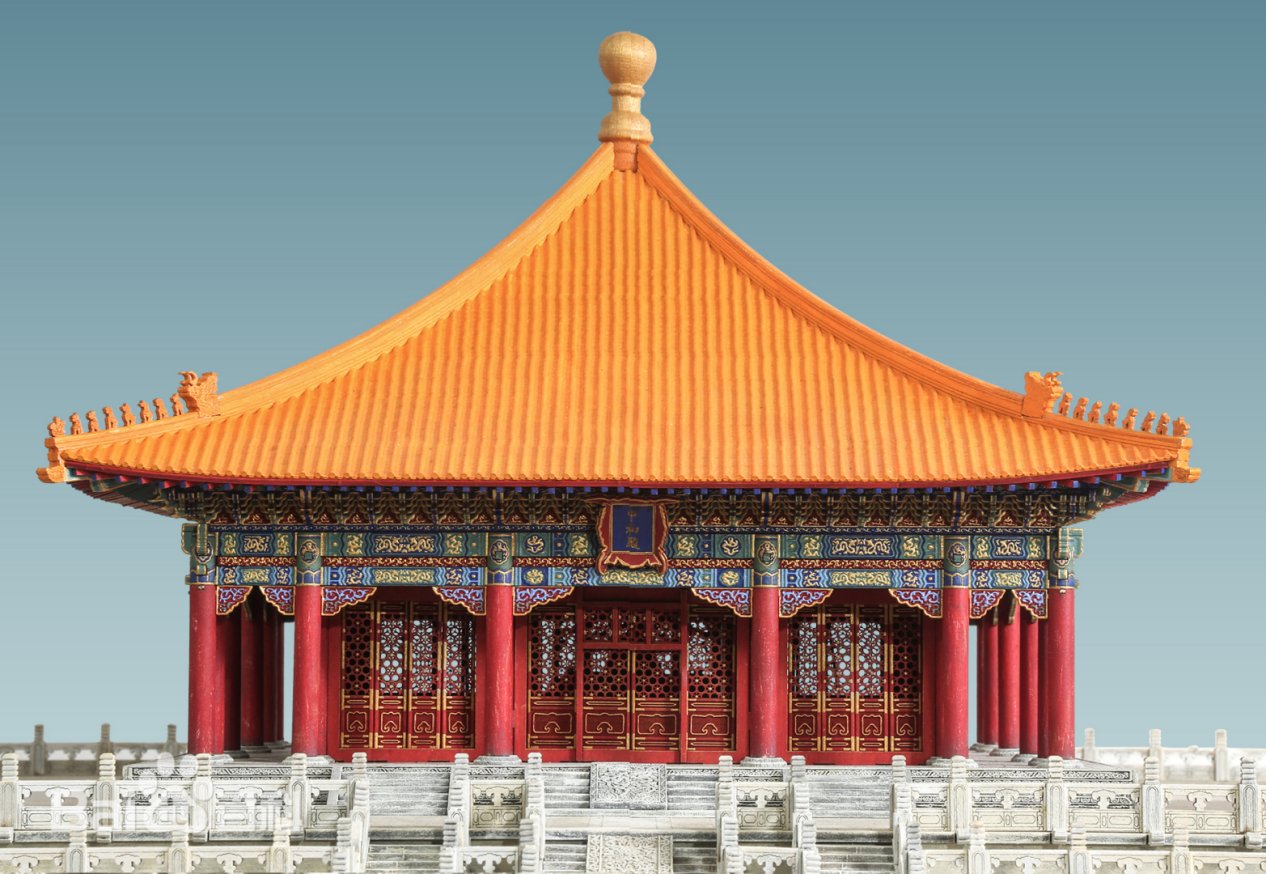
The Hall of Central Harmony was first built in 1420, during the Yongle reign of the Ming dynasty. It was later damaged by fire and renamed the Hall of Central Ultimate(中极殿)after reconstruction. In 1645, during the Qing dynasty, it was renamed the Hall of Central Harmony, a name meaning that centrality is the foundation of the world, and harmony is the universal path of the world.
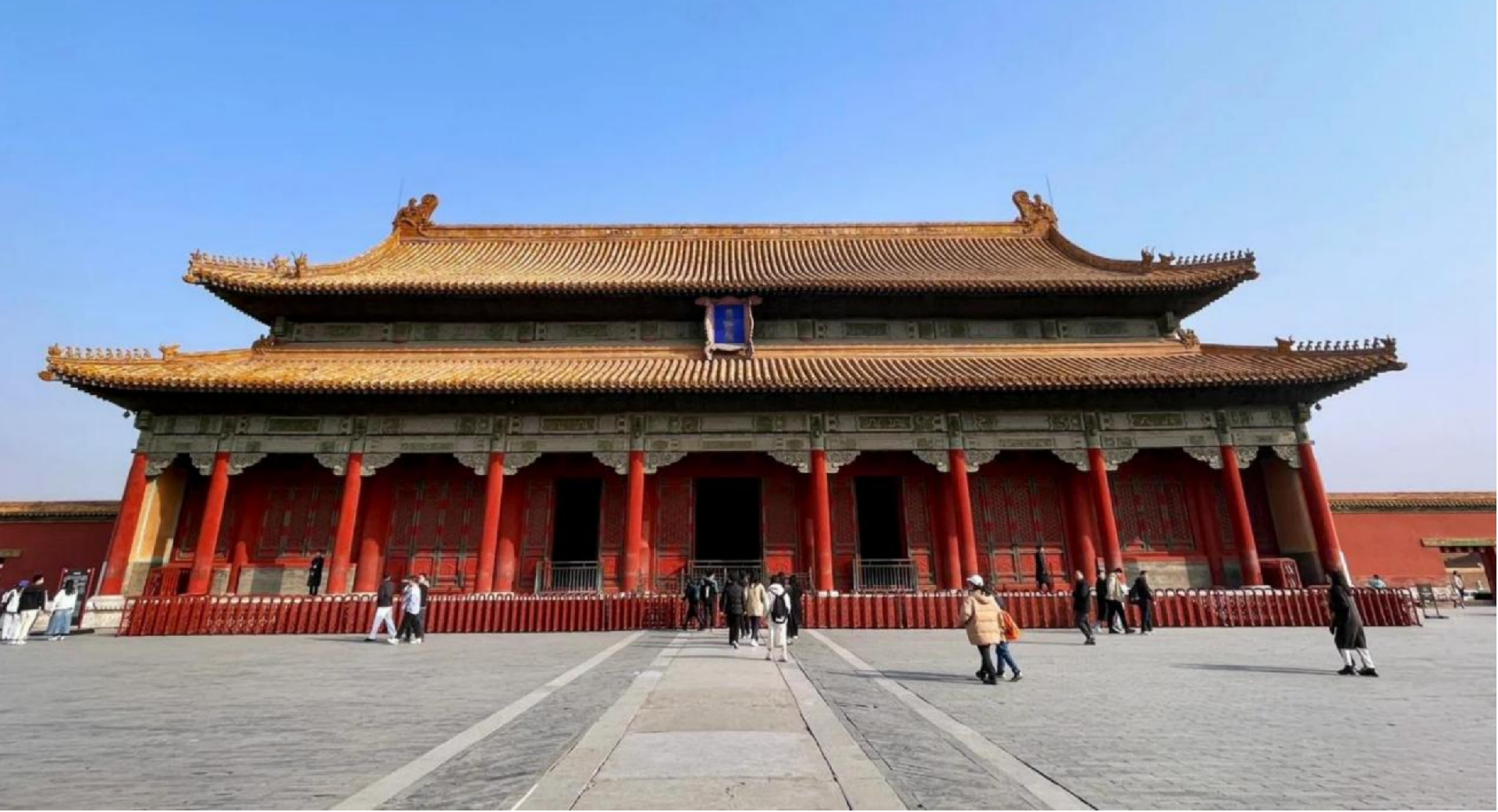
The Hall of Preserving Harmony stands at the northern end of the platform. Among the three halls, it has the longest history in its present form, with 337 years of history. Its function changed between the Ming and Qing dynasties. In the Ming dynasty, the emperor often changed clothes here before grand ceremonies. From 1789, during the Qianlong reign, it became the fixed place for the final imperial examination, known as the Palace Examination.
The beauty of the Three Great Halls lies in their layout. Two grand halls stand at the front and back, with a slightly smaller hall placed between them. This creates a powerful and harmonious architectural rhythm.