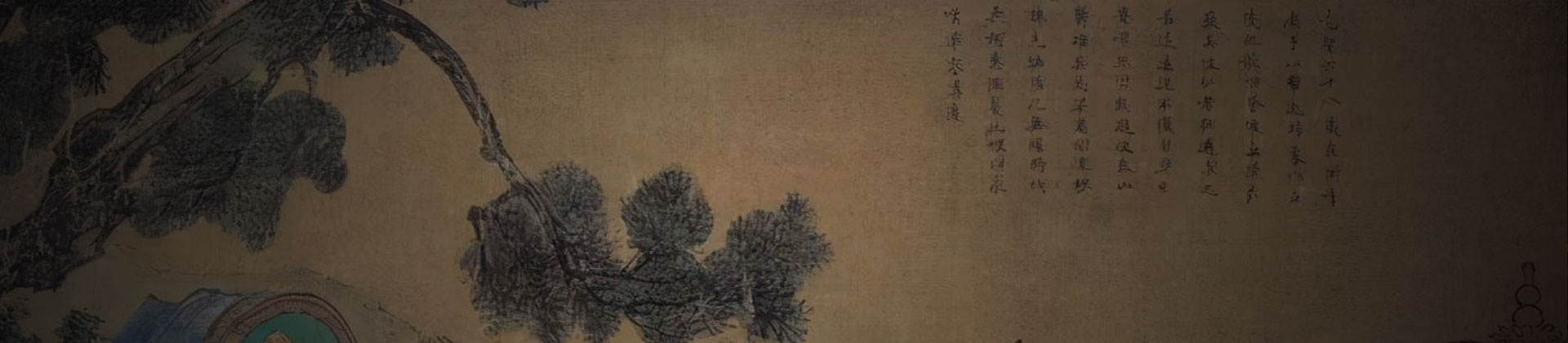
Calligraphy and Painting: The Shared Roots of Chinese Art
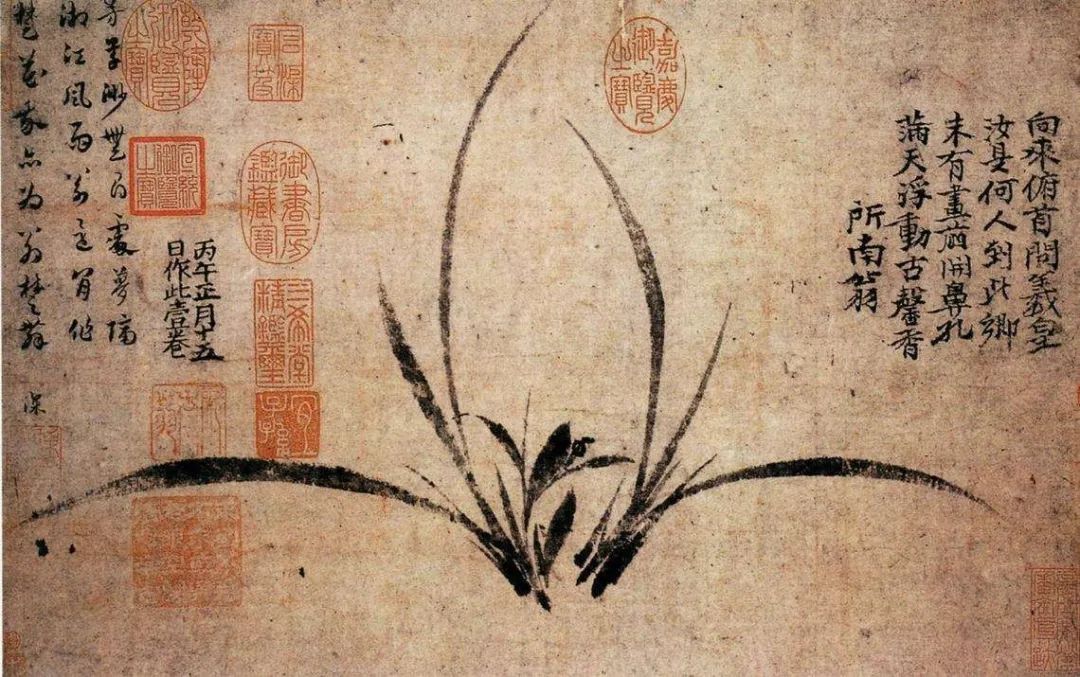
In China, calligraphy (the art of beautiful writing) and painting are deeply connected—like twins sharing the same DNA. Both are considered high art, valued not just for beauty but for the artist’s spirit and skill. Imagine Western watercolor landscapes paired with elegant handwriting; in China, brush strokes in ink paintings often resemble calligraphic writing, using the same tools: brush, ink, paper, and inkstone.
For example, a traditional Chinese ink painting of bamboo might include poetic verses brushed beside the image, blending visual art with literature. This mirrors how Renaissance artists in Europe combined painting with classical quotes, but in China, the text is part of the artwork’s soul. The flowing lines in calligraphy—whether writing characters or painting a pine tree—are seen as expressions of the artist’s mood, much like how musicians convey emotion through notes.
This tradition dates back thousands of years, with masters like Wang Xizhi (calligraphy) and Qi Baishi (painting) revered for their mastery of the brush. Even today, learning these arts is a way to connect with Chinese culture’s emphasis on harmony, patience, and inner expression. To outsiders, think of it as the fine handwriting of visual storytelling—a bridge between words, images, and emotion.