The Story Behind a Masterpiece: The Creation of Lanting Xu
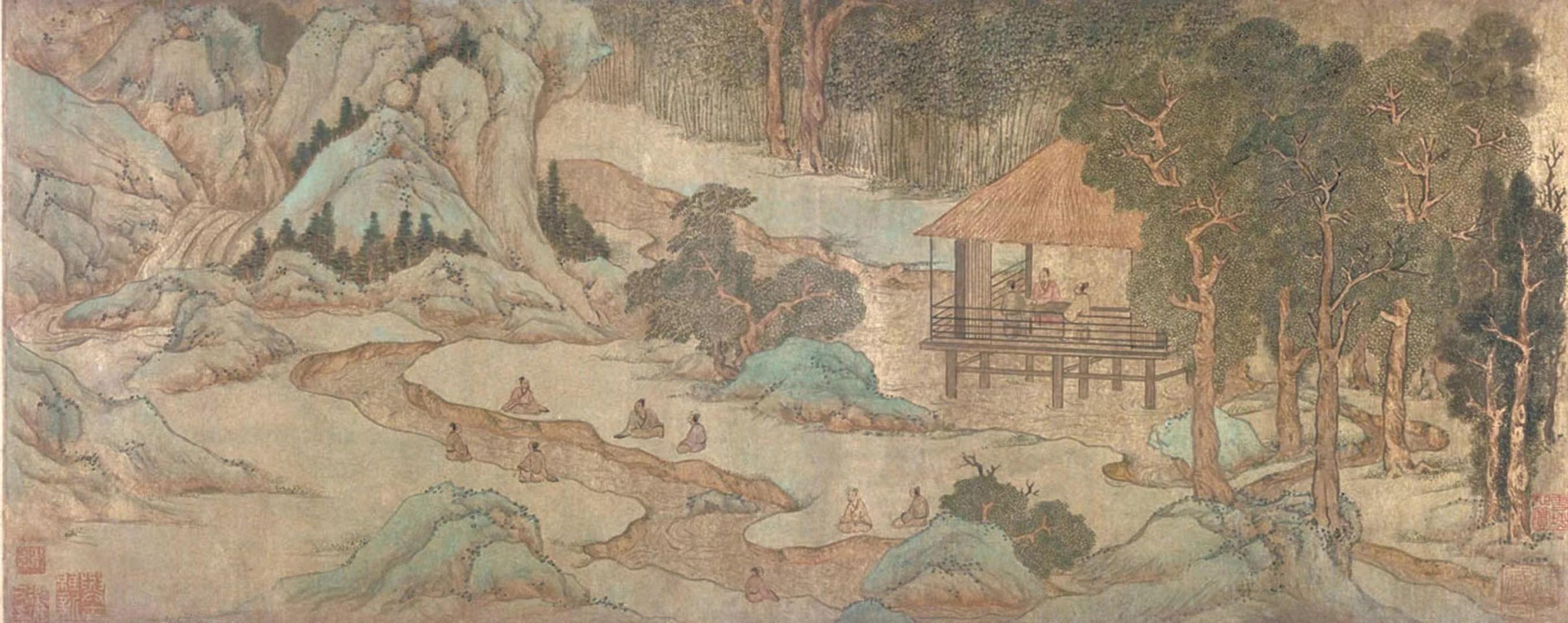
Imagine a gathering of artists and poets in a serene garden, where wine flows freely and inspiration strikes spontaneously—this was the setting for one of China’s most celebrated calligraphic works, Lanting Xu (Preface to the Poems Composed at the Orchid Pavilion). Created in 353 AD by Wang Xizhi, a master often called the Michelangelo of calligraphy, this piece blends poetry, nature, and artistic genius.
The story begins with a spring outing. Wang and 41 companions met by a winding stream in Shaoxing, southeast China. To entertain themselves, they floated cups of wine down the water, and whoever the cup stopped beside had to compose a poem on the spot. Amid laughter and competition, 37 poems were born—and Wang, moved by the moment, penned a short preface in his flowing running script (行书). Unlike rigid formal writing, his strokes danced like wind through bamboo, balancing structure with freedom.
Today, Lanting Xu is more than calligraphy; it’s a cultural icon. Think of it as the Mona Lisa of Chinese art: a masterpiece where technique and emotion merge. Though the original has vanished, copies (like those by Tang Dynasty artists) are treasured like rare vinyl records—each telling part of the story. For newcomers, it’s a window into how Chinese art weaves philosophy, nature, and creativity into everyday life.