The Scholar’s Study: Calligraphy and the Cultural Space of a Chinese Study
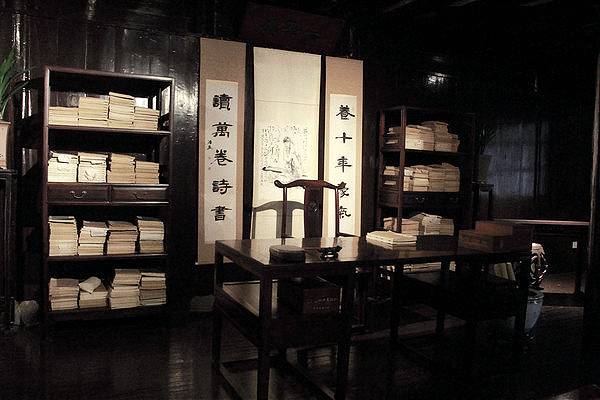
In traditional Chinese culture, the study (书斋 shūzhāi) was more than just a room for reading—it was a personal sanctuary where scholars cultivated their minds through calligraphy, painting, and literature. Much like a Western library or artist’s studio, it was a space for reflection and creativity, but with unique cultural elements.
At the heart of the study often hung a calligraphy scroll (书法 shūfǎ), considered both art and meditation. Calligraphy, the art of brush writing, was highly valued, not just for its beauty but for the discipline it required. Imagine a pianist practicing scales daily—calligraphers spent years perfecting their strokes, seeing each character as a blend of structure and emotion. A famous example is Wang Xizhi (4th century), whose flowing scripts are still studied today, akin to how Renaissance sketches are revered in Europe.
The study typically included a desk with inkstones, brushes, and scrolls—tools as essential as a painter’s palette. Books, often bound in silk or paper, were carefully arranged, reflecting the scholar’s interests. The ambiance was quiet, sometimes enhanced by incense or a simple indoor plant.
For outsiders, understanding the study reveals how Chinese intellectuals blended learning, art, and daily life—a tradition that still influences modern spaces, from cafes to home offices. It’s a glimpse into a world where creativity and contemplation shared the same physical space.